Rigid muscles. Symptoms only seen in people who are overdosing include the following: Slow breathing. Low blood pressure. Coma. Stupor. Seizures. Since ketamine can cause sedation and altered consciousness, people who are overdosing may be unable to answer simple questions.. Table Of Contents. In this guide, we’ll be exploring the ins and outs of ketamine, exploring its uses, the dangers of abuse, and the critical question: Can ketamine kill you?
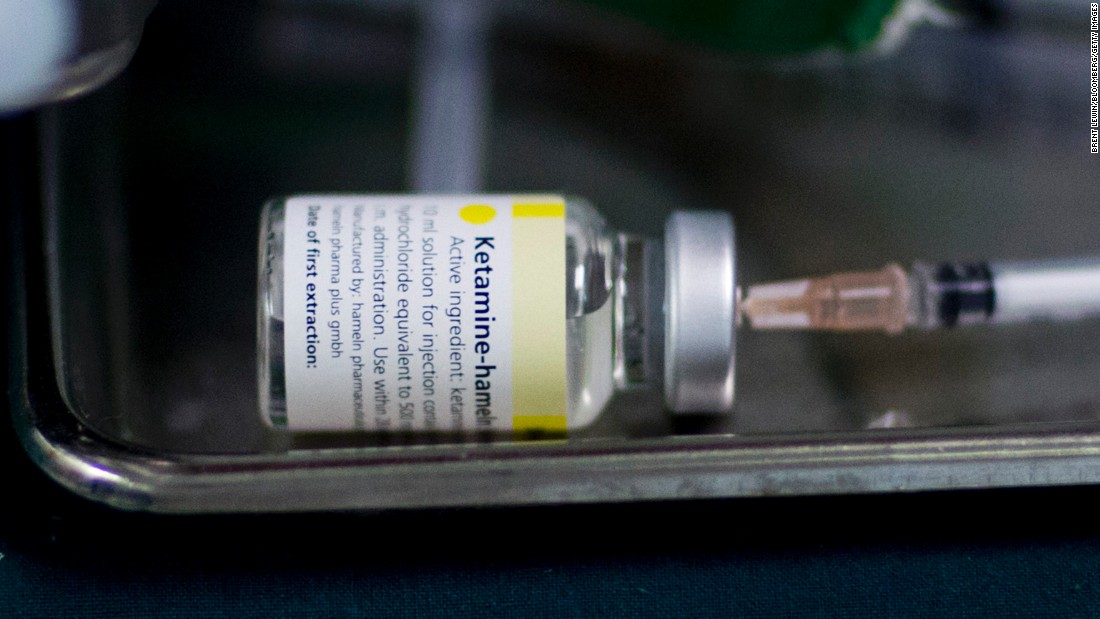
Party drug ketamine closer to treating depression CNN

The rise of drug overdoses in the US BBC News

Combined Treatment With Naltrexone, Ketamine Effective for Depressive Symptoms Psychiatry Advisor
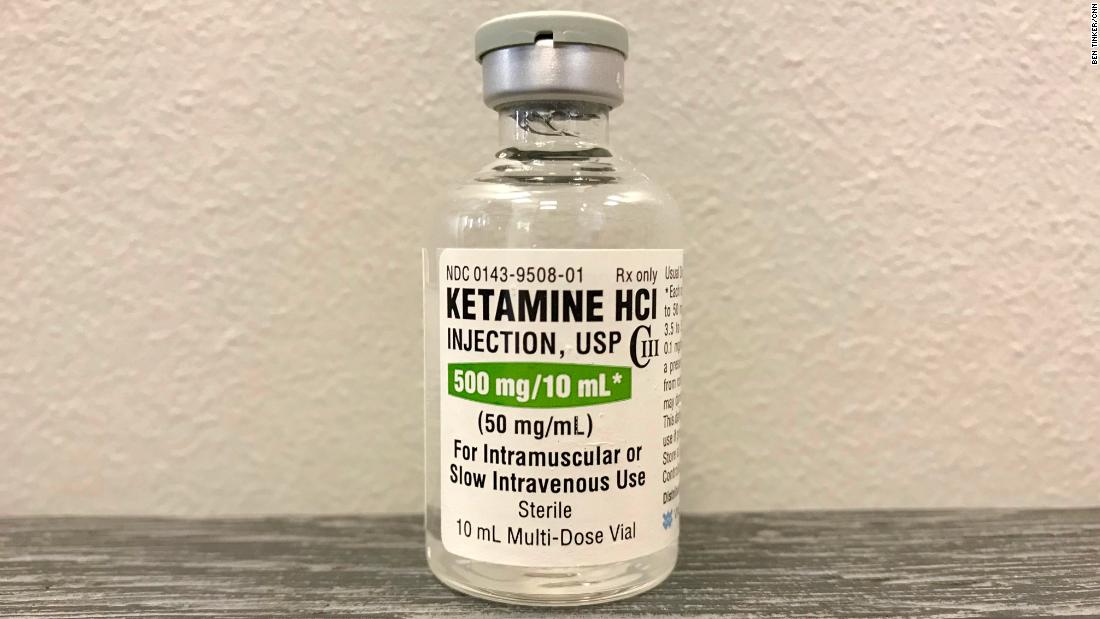
Ketamine offers lifeline for people with severe depression, suicidal thoughts CNN

America’s deadliest drug problem Our view
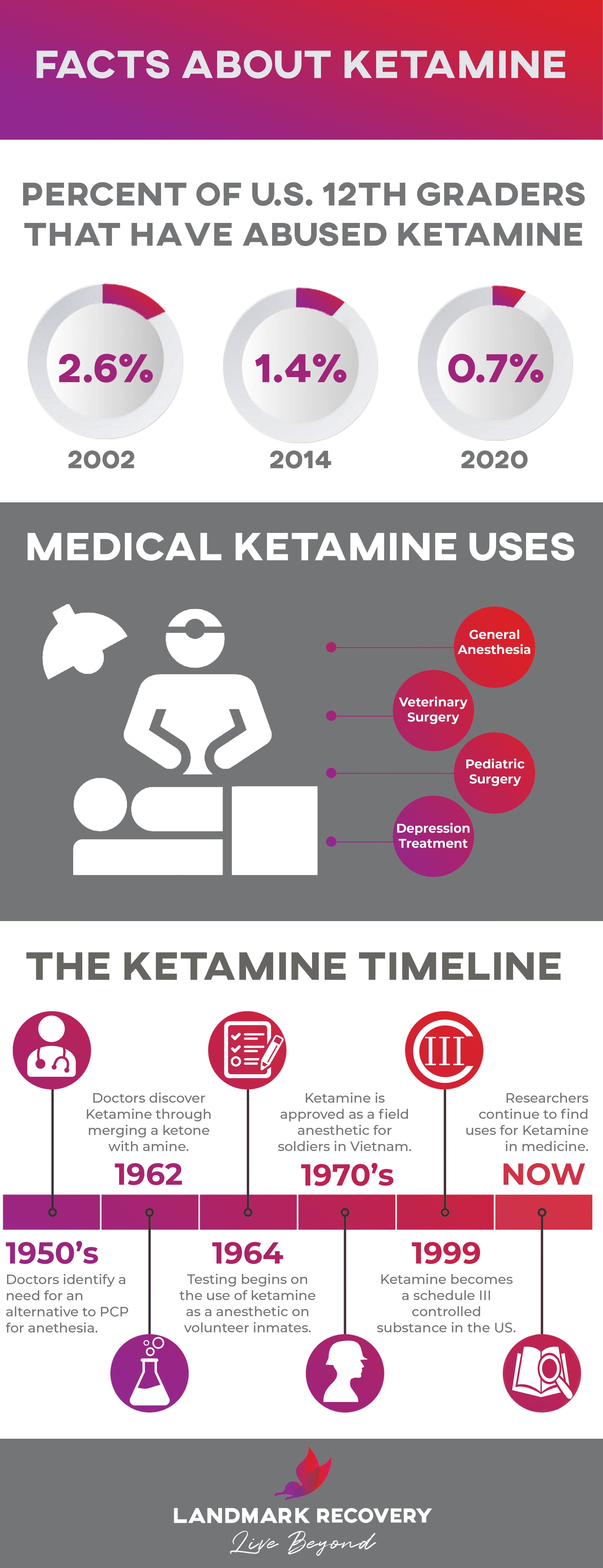
What Is Ketamine? Landmark Recovery
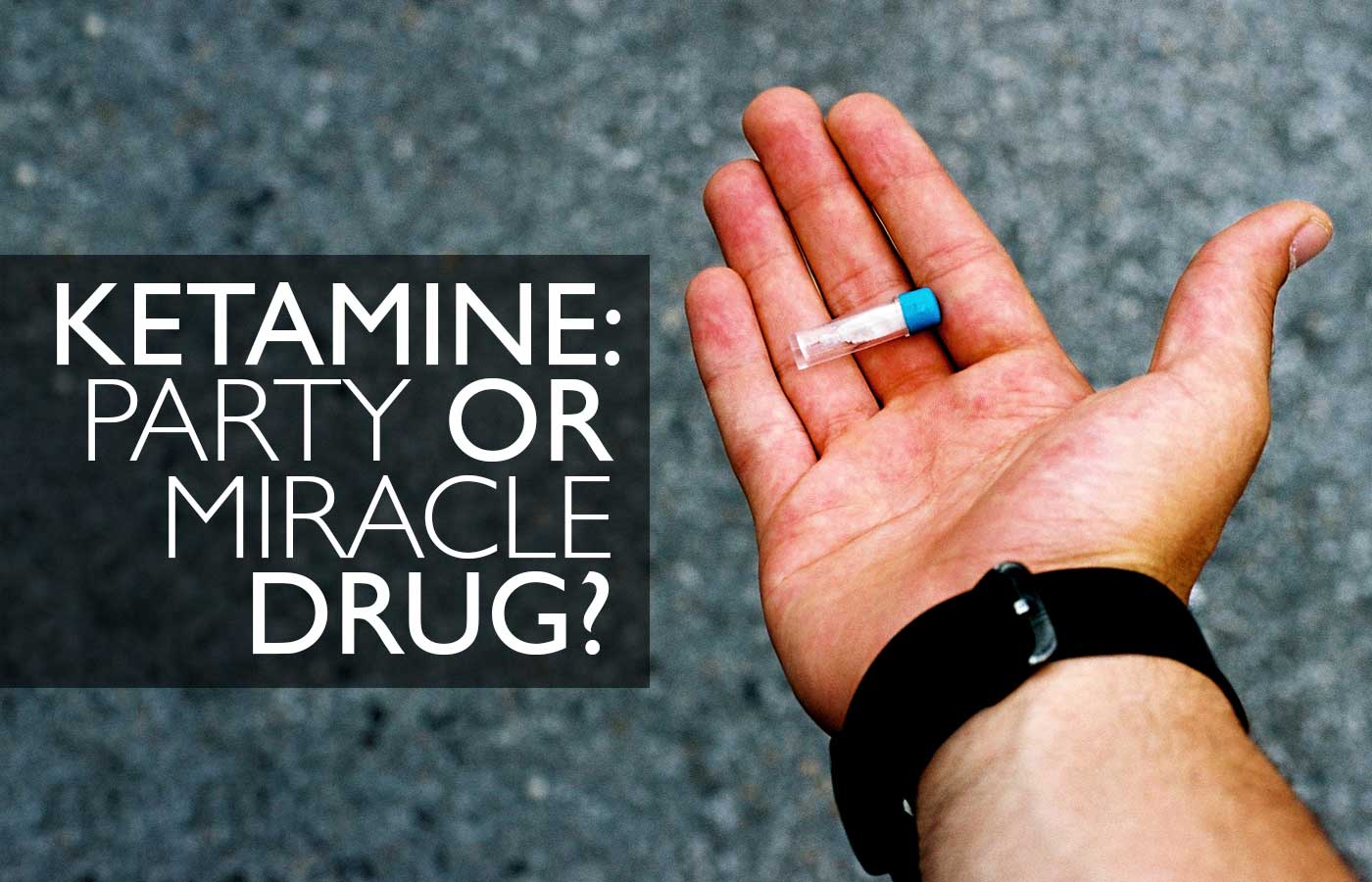
Ketamine Miracle or Party Drug? Sober Living in Los Angeles New Life House

Doctors’ warning on ketamine risk BBC News
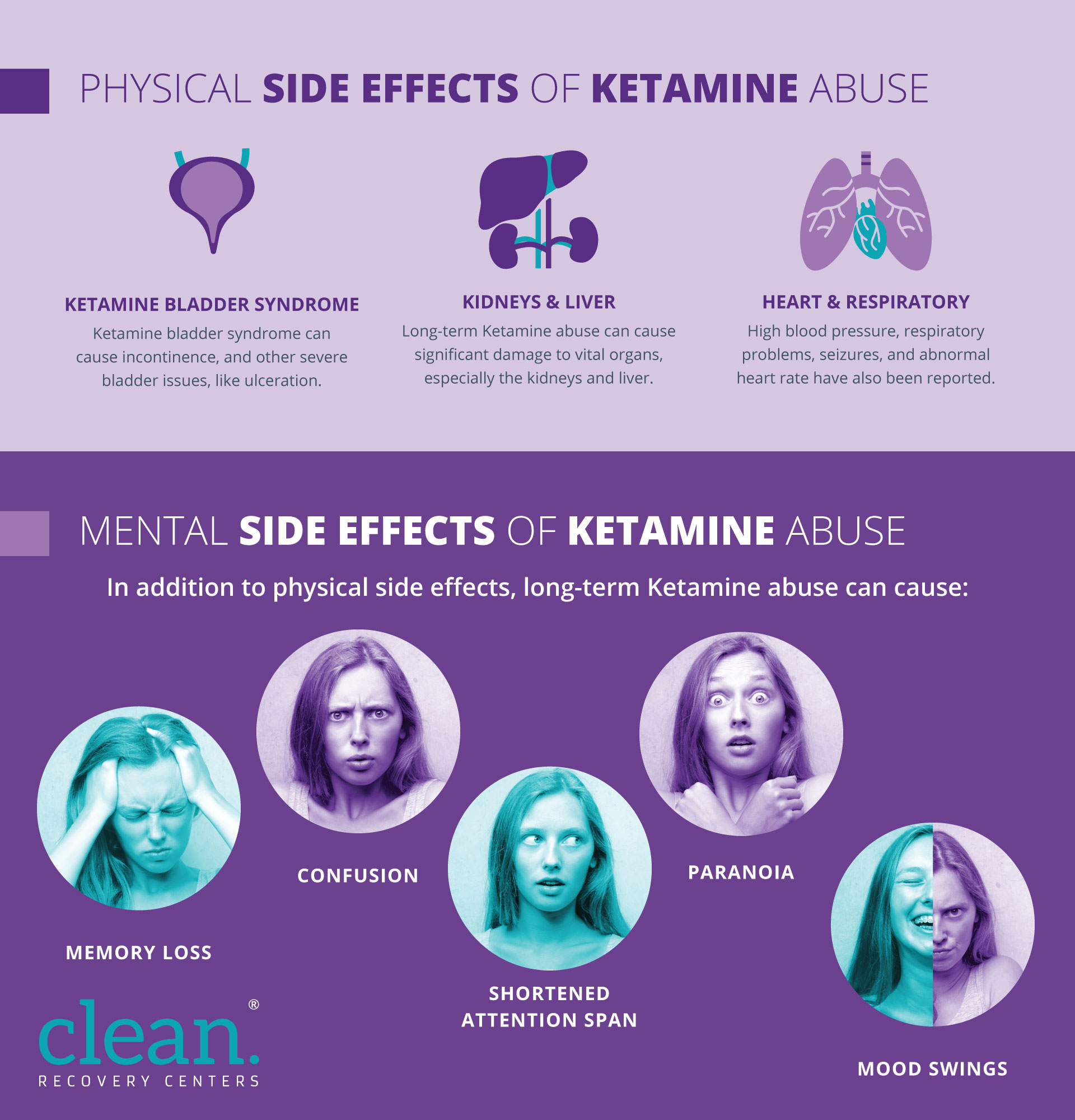
The Good and Bad of Ketamine Clean Recovery Centers

Police carry special drug to reverse heroin overdoses
Signs of an Overdose Craven County
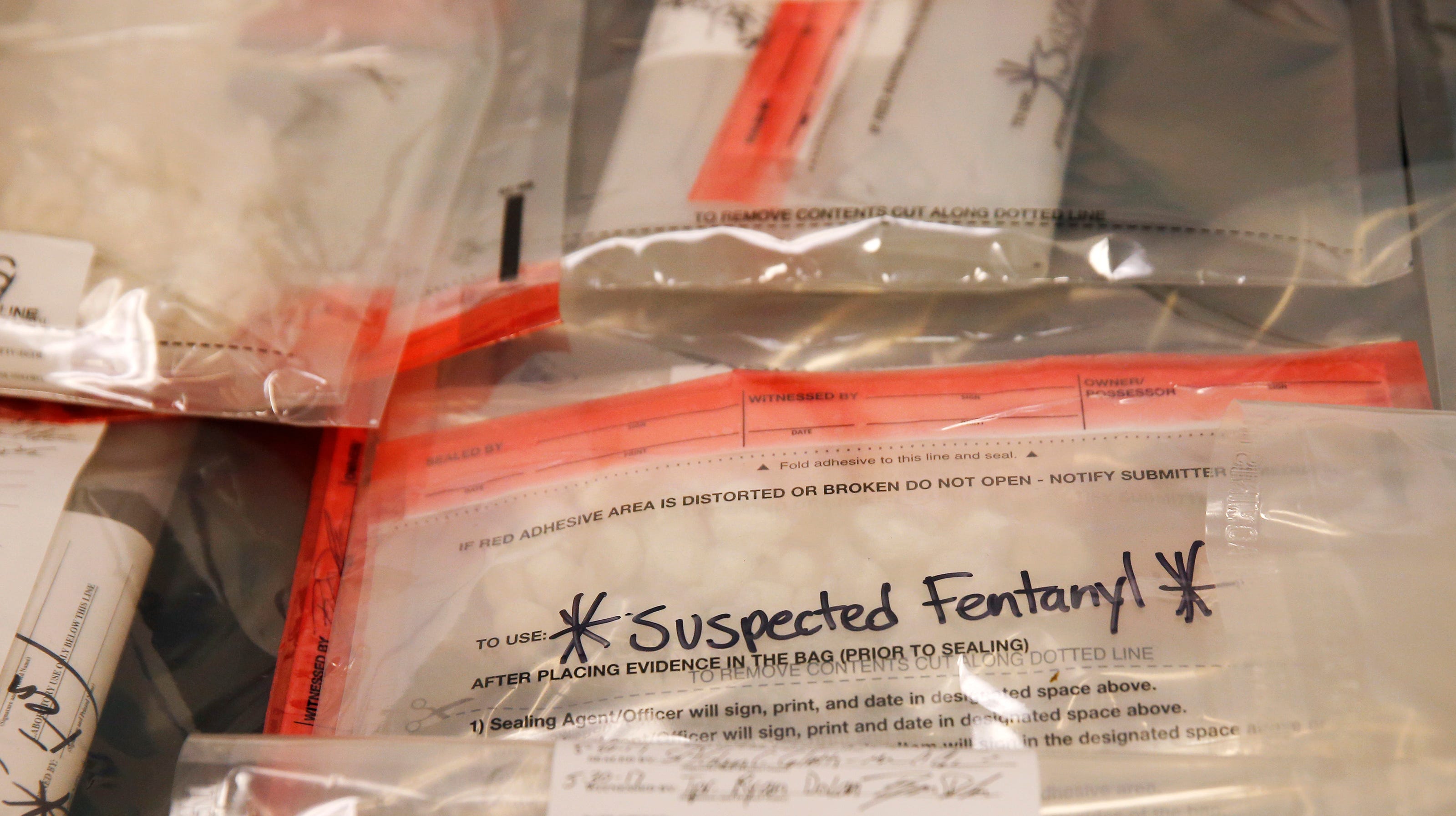
Fentanyl overdose can’t happen by just touching the drug, experts say
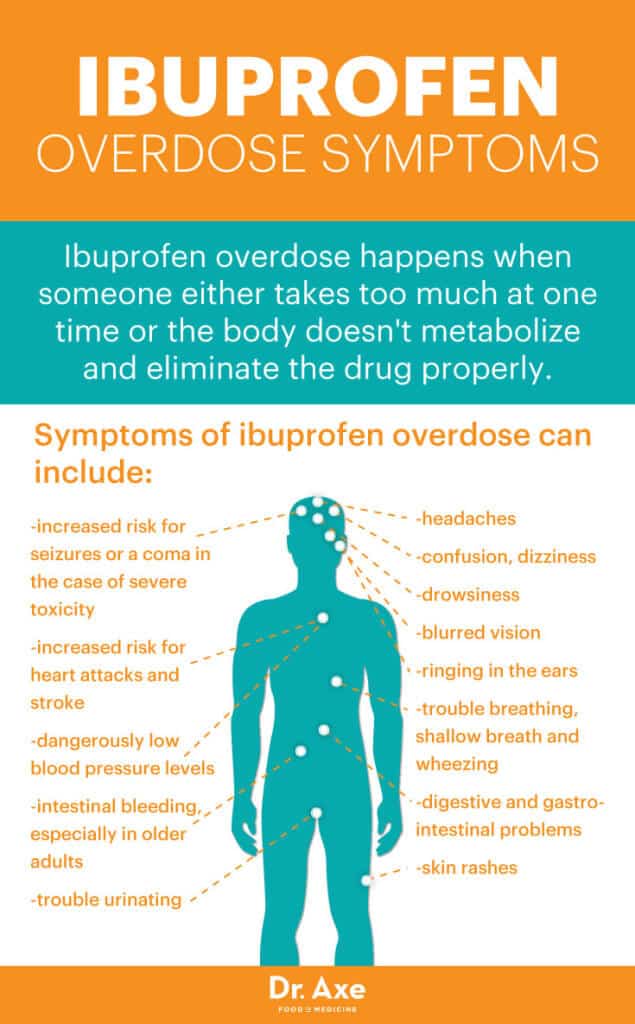
Take Painkillers Often? Here’s How to Avoid Ibuprofen Overdose Dr. Axe
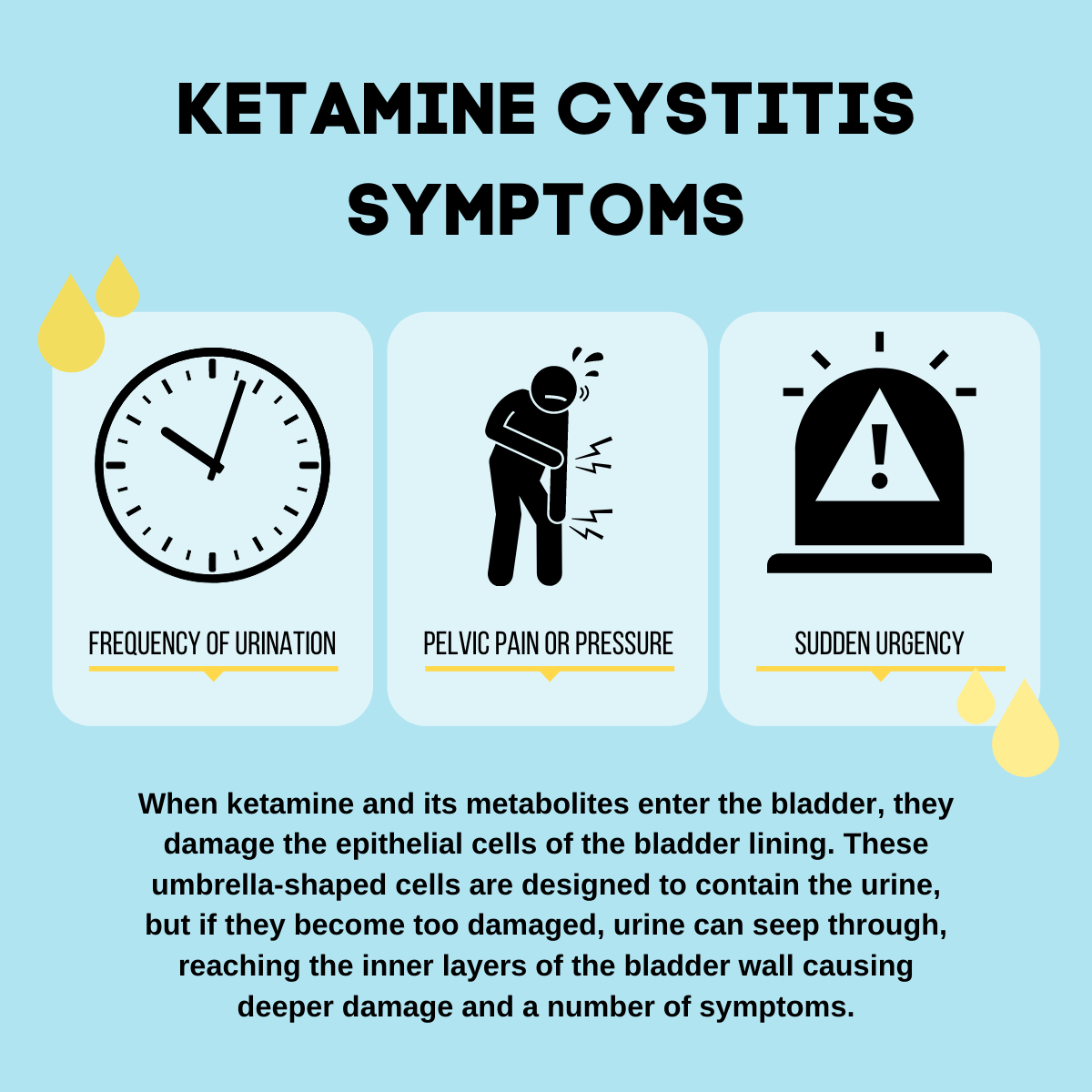
Ketamine Bladder Damage What You Need to Know DanceSafe
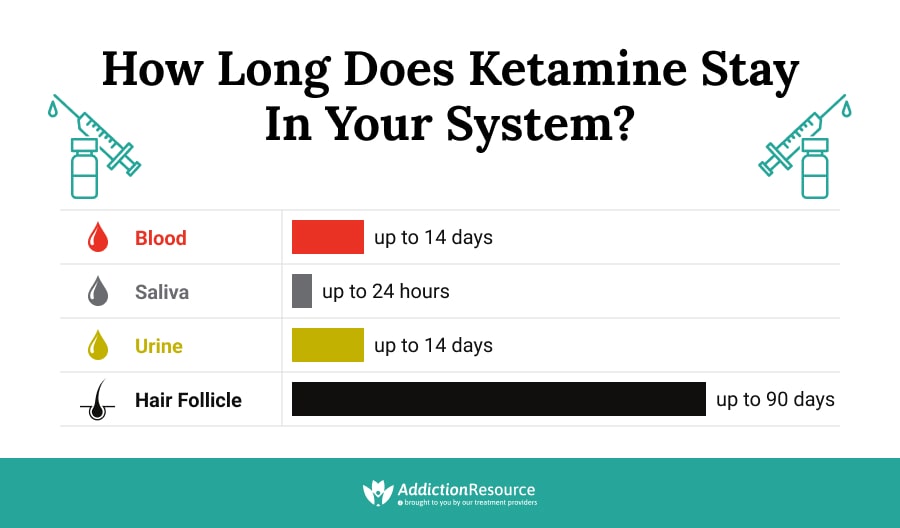
Ketamine HalfLife How Long Does Ketamine Stay In Your System?
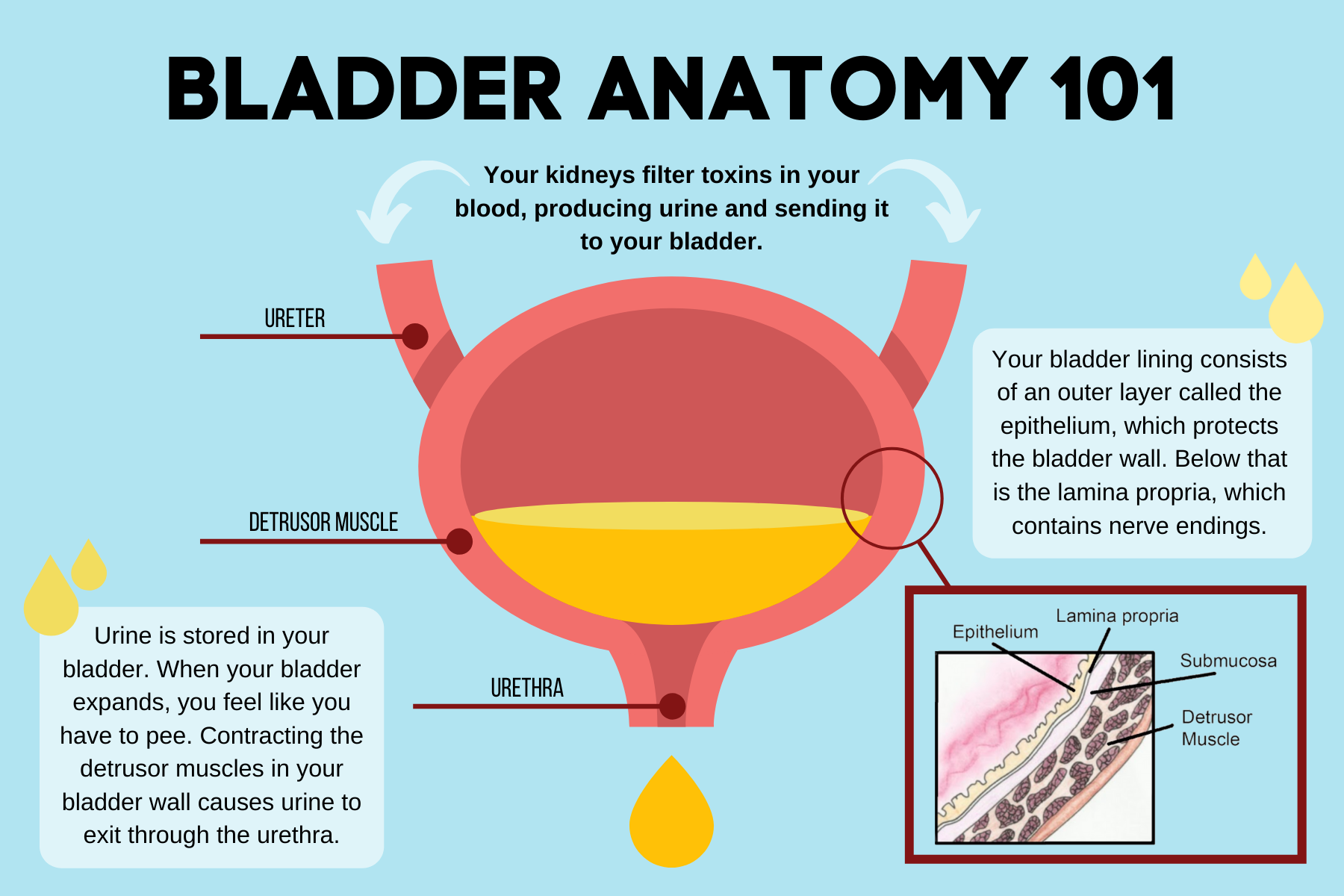
Ketamine Bladder Damage What You Need to Know DanceSafe

How Does Ketamine Affect the Brain?

Fears grow that Ketamine use by young is on the rise in England Society The Guardian
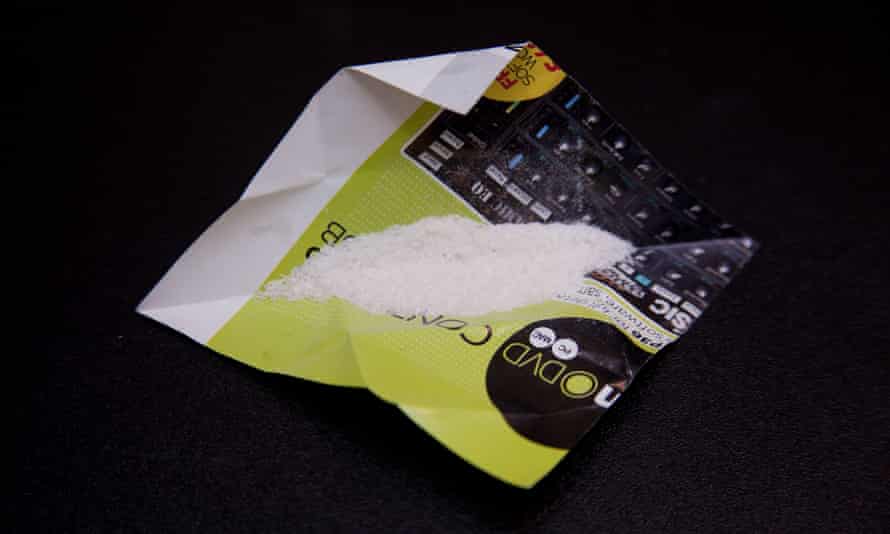
What are the effects of ketamine? Science The Guardian

Ketamine reality Drugs The Guardian
Ketamine Abuse. Common or street names: Cat Tranquilizer, Cat Valium, Jet K, Kit Kat, Purple, Special K, Special La Coke, Super Acid, Super K, and Vitamin K. Facts; Pharmacology; Abuse; Length of Effects; Doses; Health Hazards; Overdose; Extent of Abuse; What is Ketamine? Ketamine (brand name: Ketalar) is a dissociative injected anesthetic (blocks sensory perception) that has been available by.. Vomiting, nausea, diarrhea. Intense pain, especially headaches and muscle aches. Seizures. Loss of coordination or muscle rigidity. Chest pain. Loss of consciousness. If you or someone you love uses ketamine, there may be a risk of an overdose, even if you’ve used for months or years without a problem.