Once the entire piece of plastic is melted (i.e., is entirely liquid), any further rise in temperature will raise the temperature of the liquid. Melting Point of Plastics If the melting point of plastic is greater than 100 degrees Celsius (212 degrees Fahrenheit) the water is in the form of steam, because evaporation takes place.. 7. Acrylonitrile Butadiene Styrene (ABS) ABS has a moderate melting point, typically ranging from 210°C to 240°C. This thermoplastic’s balance of strength, impact resistance, and machinability makes it suitable for diverse applications, including automotive components, electronic housings, and consumer goods.
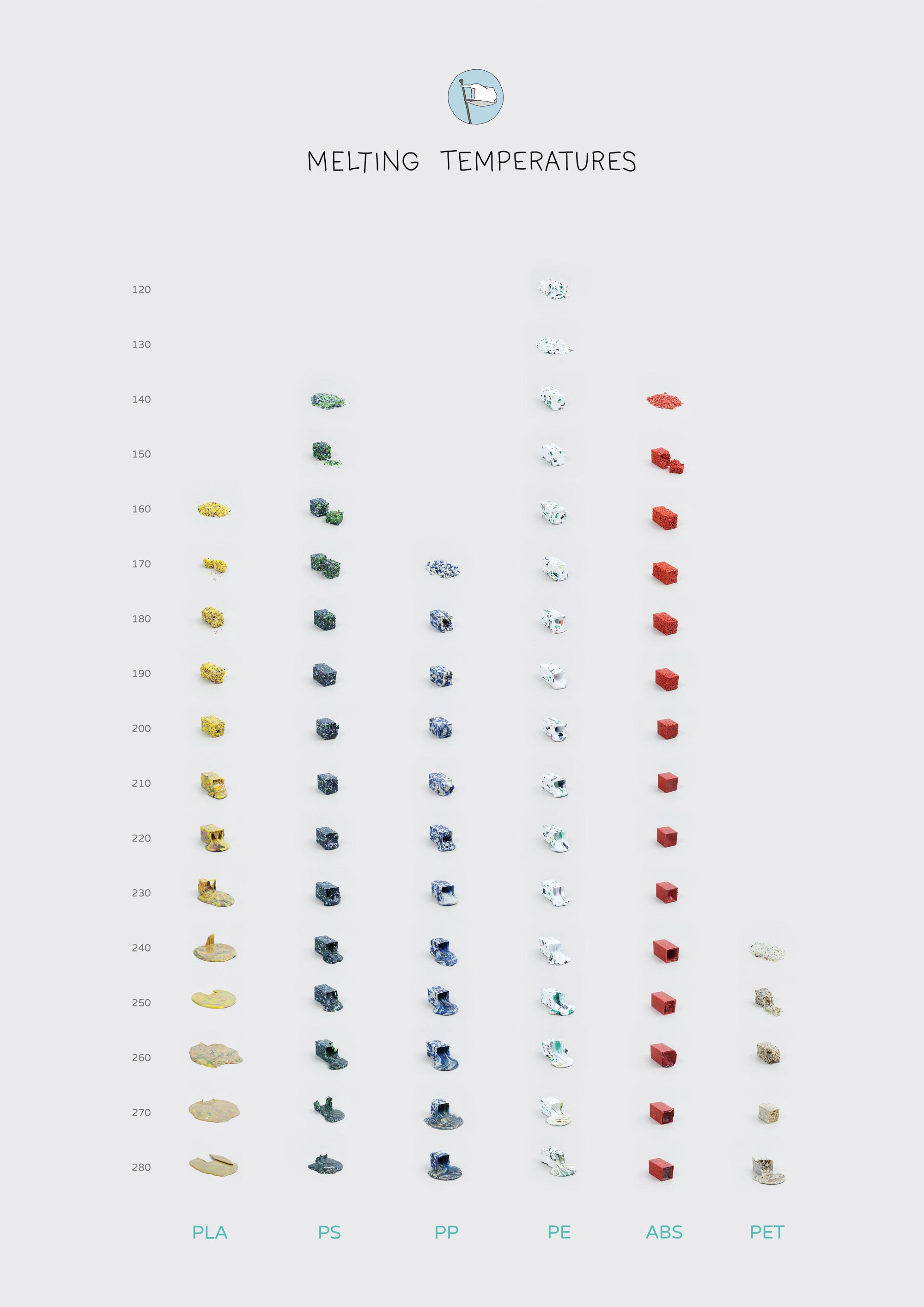
Plastic Melting Temperature Chart
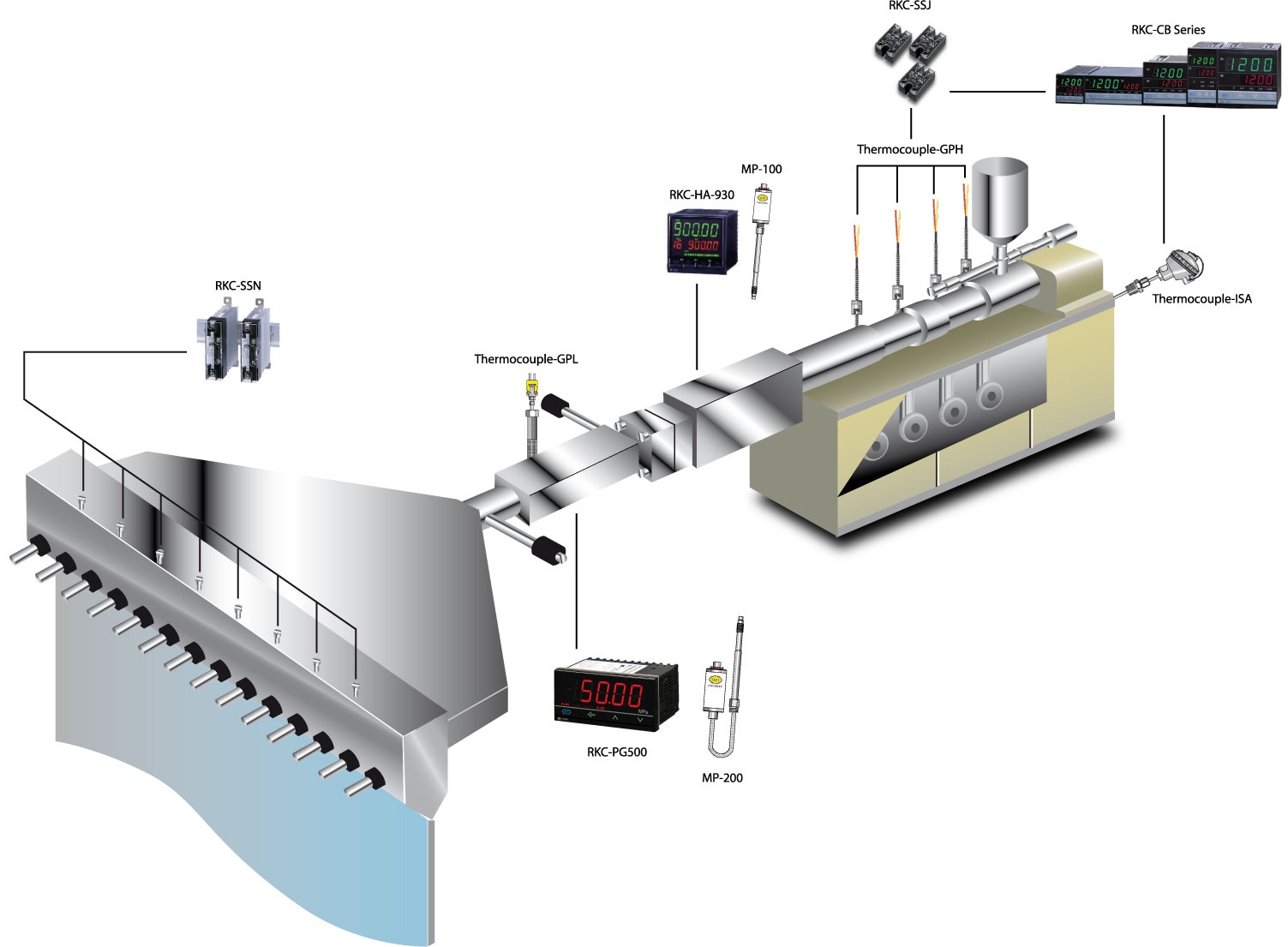
Melt Pressure Plastics Extrusion Transducers, Controllers and indicators
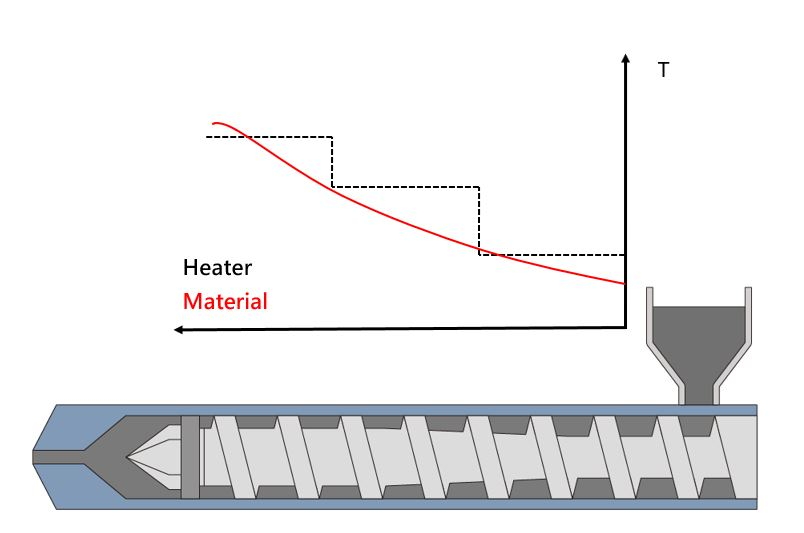
Control Melt Temperature with Plastification Analysis Blog Moldex3D Plastic Injection
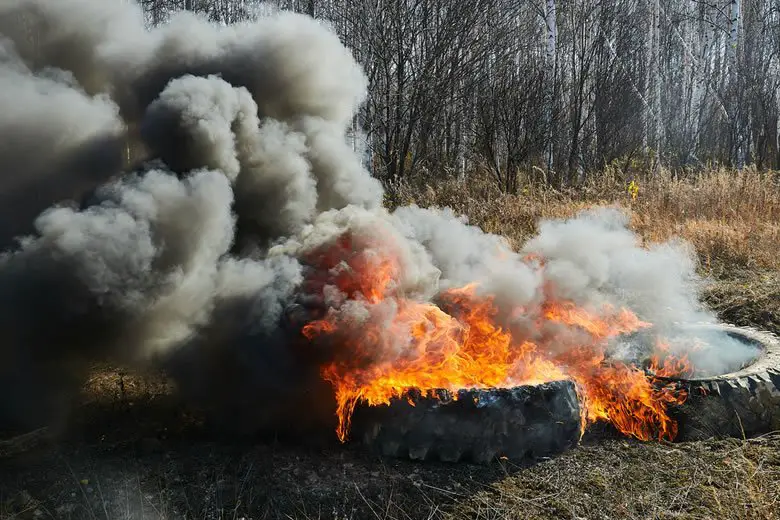
What temperature does rubber melt? Facts you should know
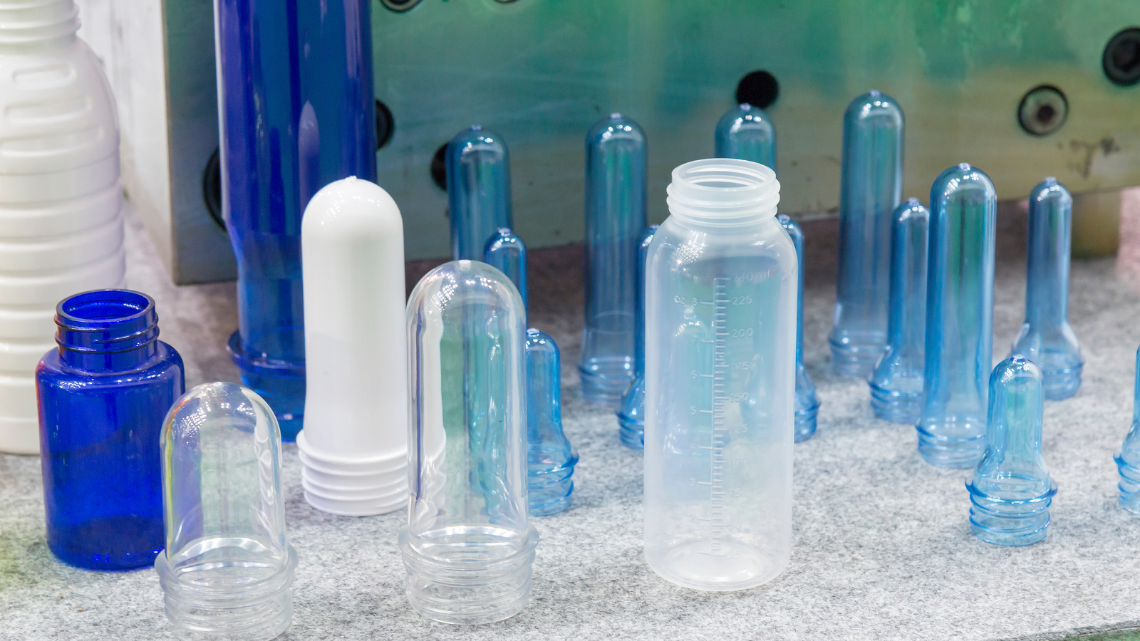
What Is The Melting Point Of Plastic Bottles Plastic Industry In The World
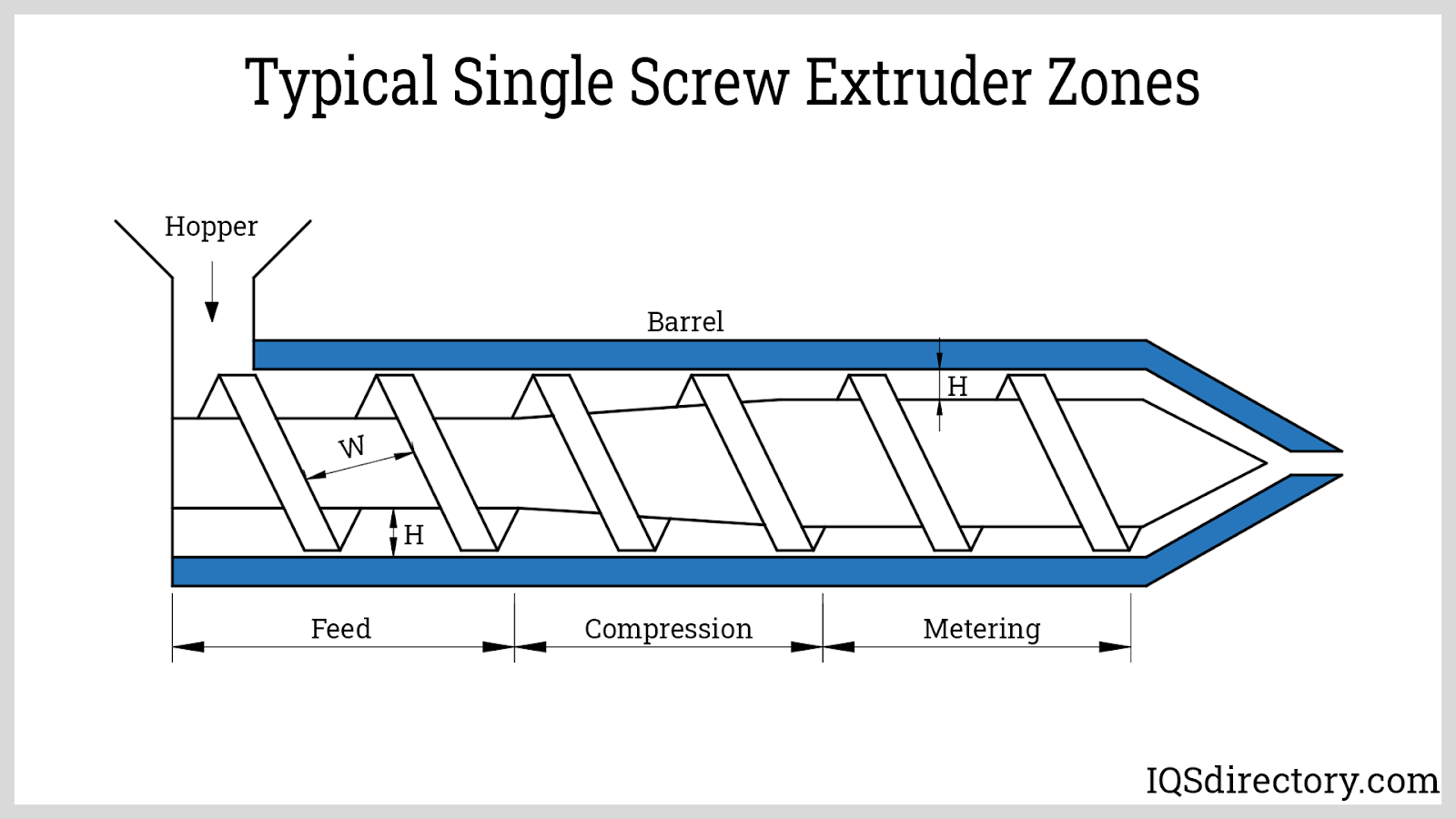
Plastic Extrusion • Paul Murphy Plastics
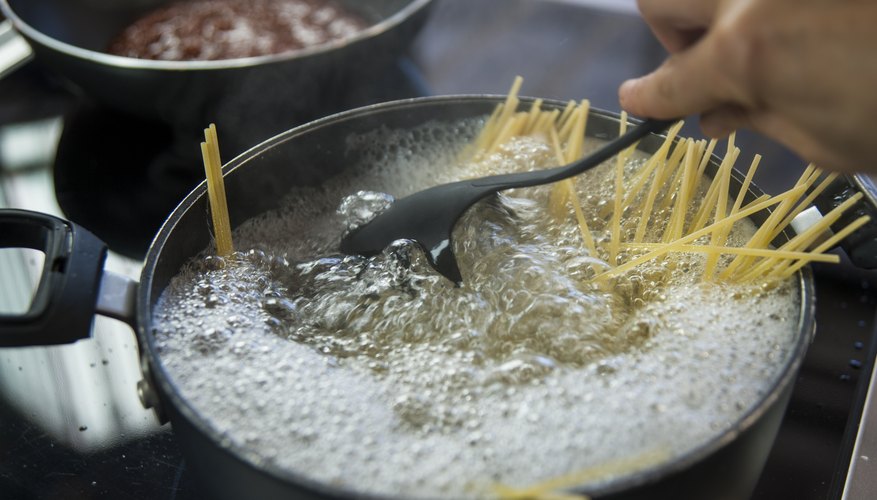
How Hot Does Water Have to Be to Melt Plastic? Sciencing

Ceramic Processing L410 Polymer melting point Tm and glass transition temperature Tg YouTube
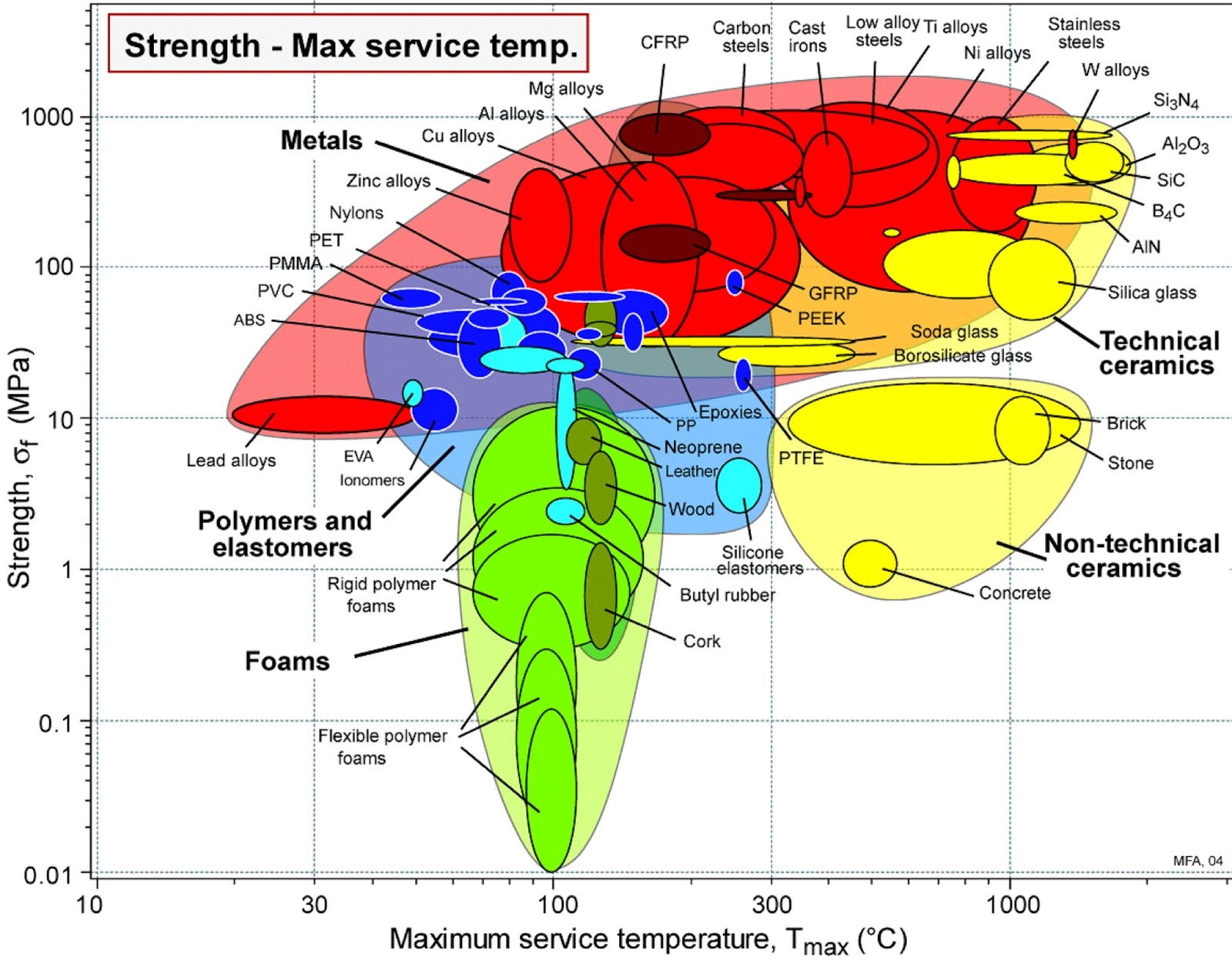
Vengo de la Edad del Plástico The Ashby diagram for temperature and strength
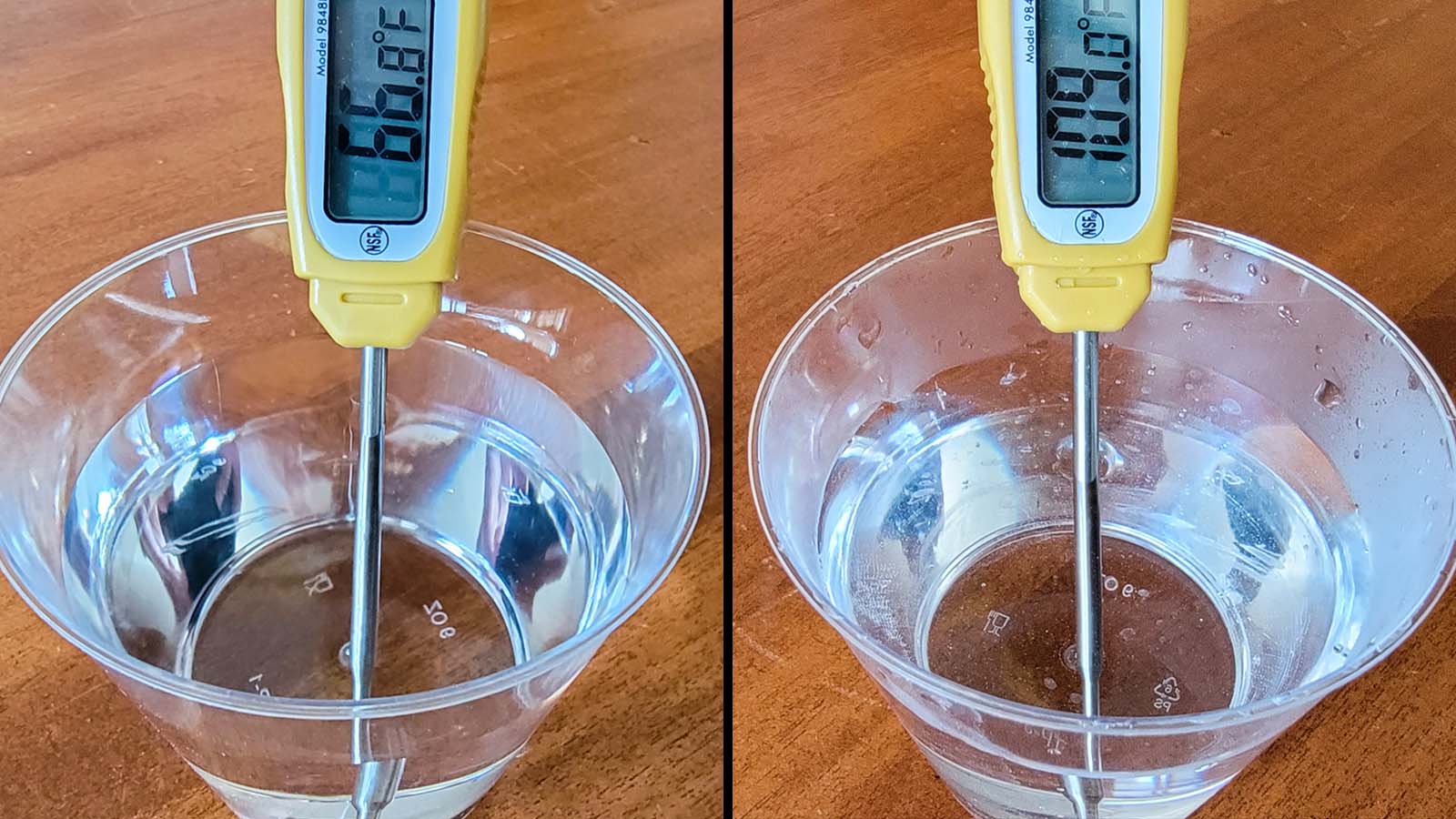
Educator Guide Melting Ice Experiment NASA/JPL Edu

Melting temperature of PLA/PBSA/PBAT blends. Download Table

Material Melt and Mould Temperature Chart PlastikCity

Plastic Melting Temperature Tester Melt Flow Rate Meter Buy Plastic Melt Flow Meter,Melt Flow

Melt recycling plastic bottles and making new forms (part 2) YouTube
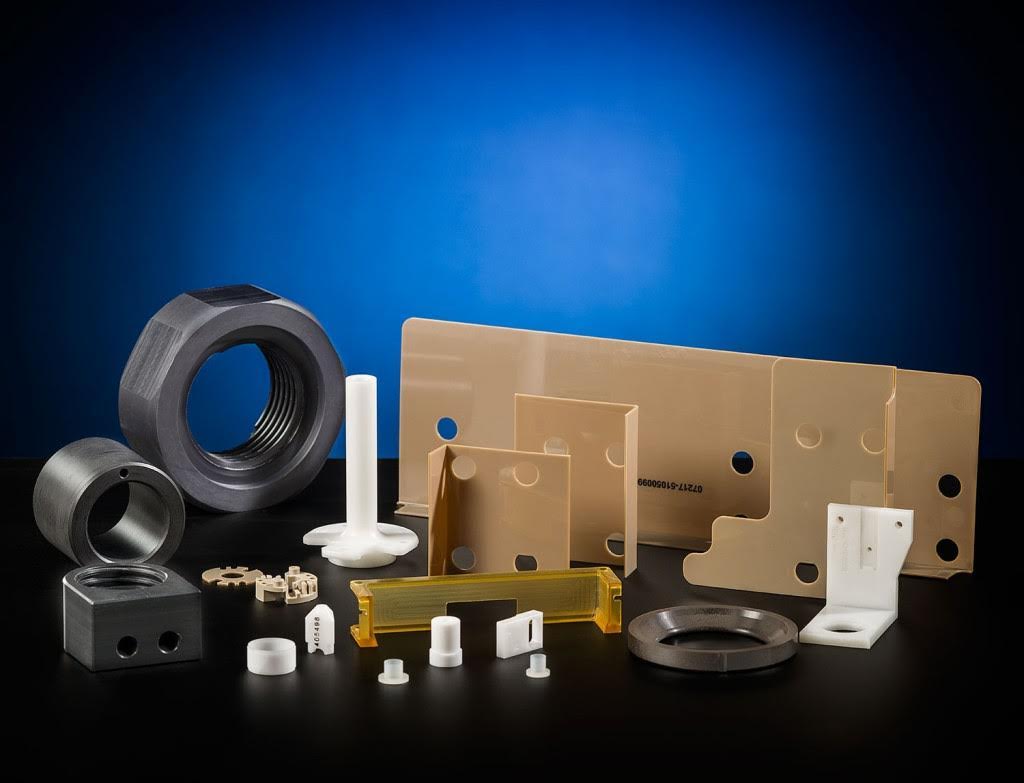
Which HighTemperature Plastic is Right for My Application?
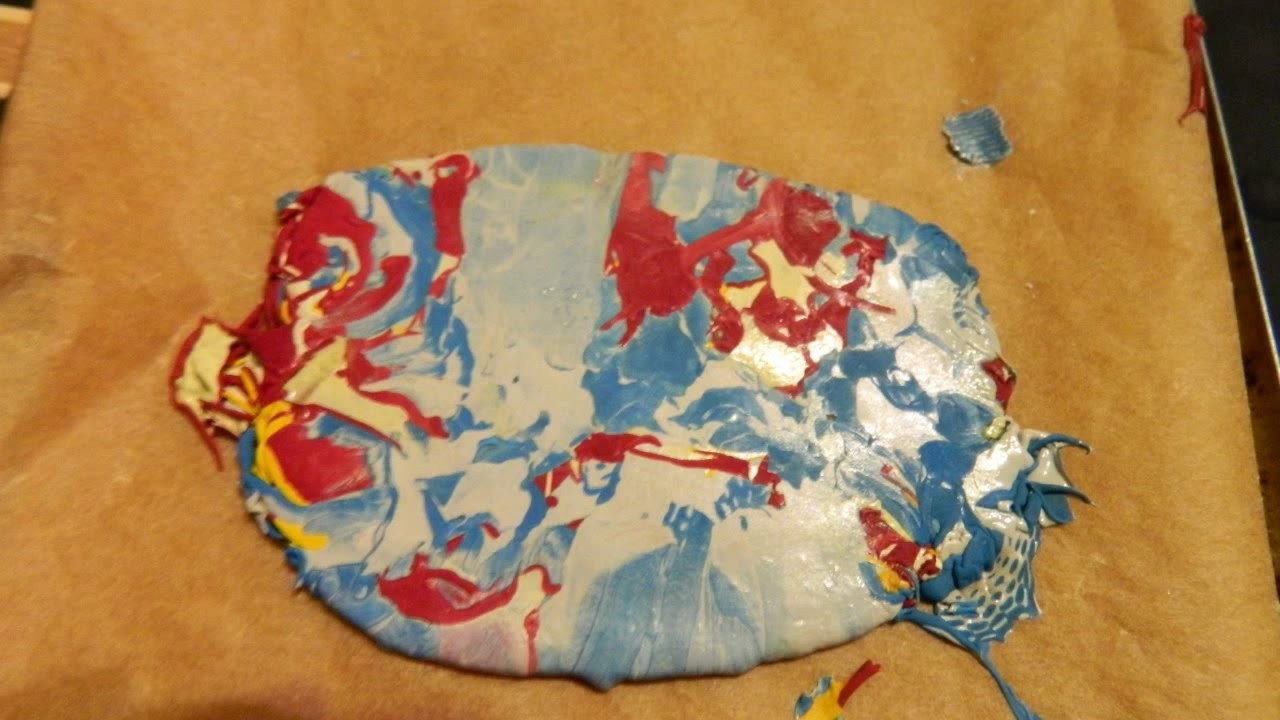
How to melt plastic yourself!

Example of a temperature profile of plastic extrusion. Download Scientific Diagram
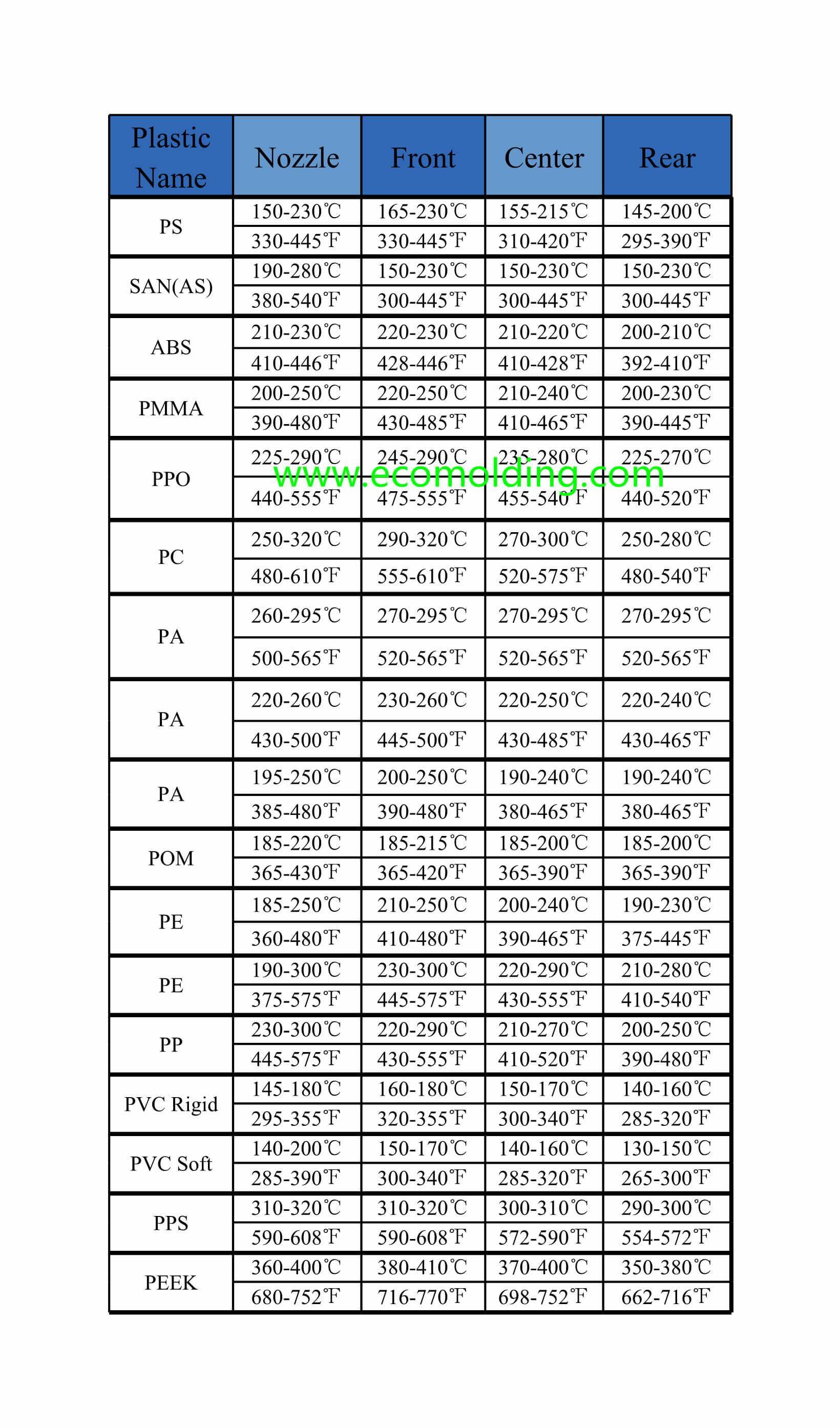
What is the best injection molding
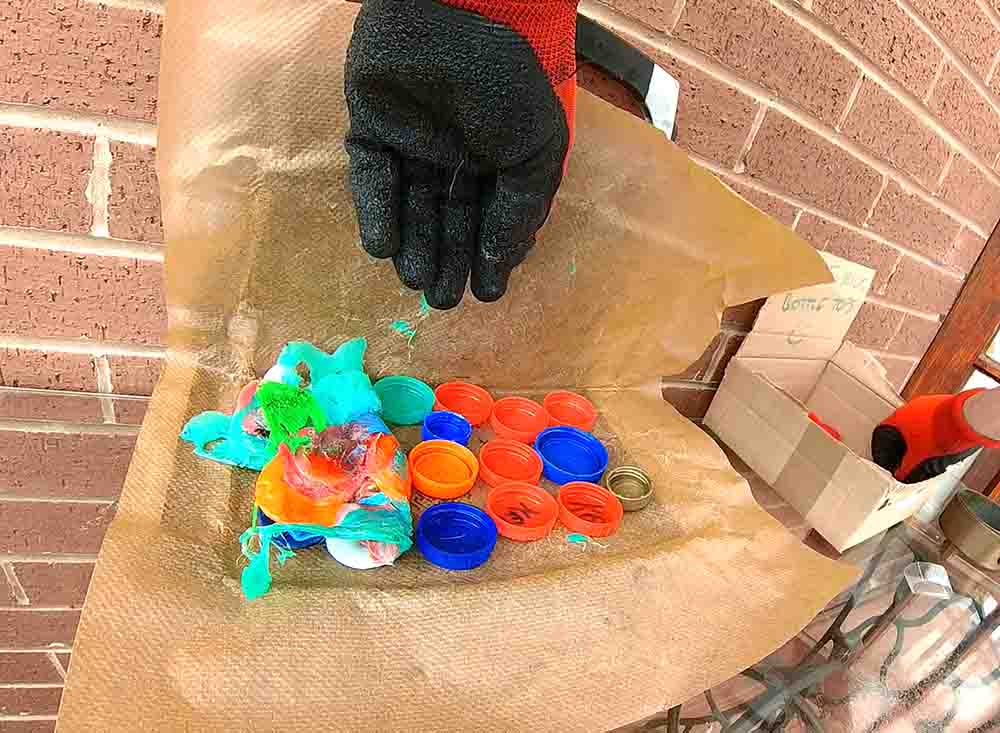
How to Melt & Recycle Plastic Bottle Tops
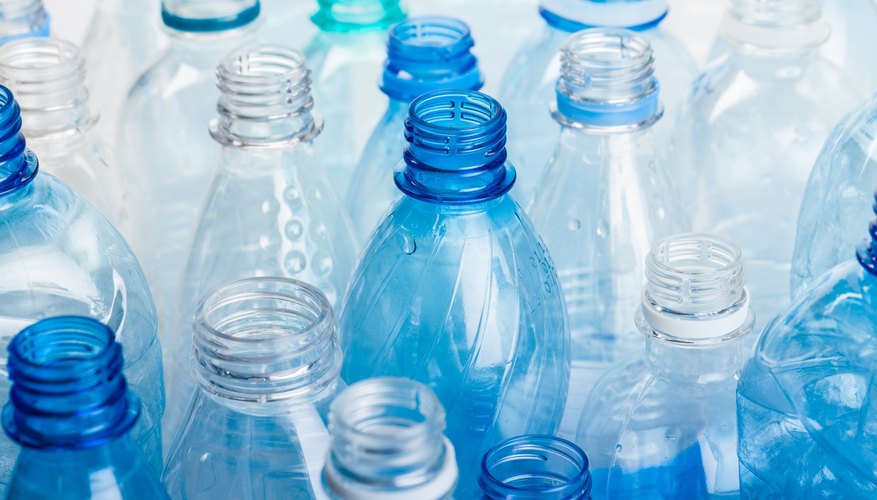
How to Melt Plastic Bottles for Molding Sciencing
The melting point of ABS plastic is 88°-125°. It means that ABS plastic will start melting at just the boiling temperature of the water. Plastic melting temperature chart. Usually, plastic starts melting pretty fast and ignites soon as well. However, different kinds of plastics have a specific melting temperature.. Different types of plastics have drastically different melting points, which means some plastics such as polyvinyl chloride plastics can melt at as low as 165 degrees Fahrenheit, while other types such as the plastic in Teflon cookware will not melt until they reach temperatures of around 600 degrees or hotter. Most sturdy plastics will melt before 500 degrees.