In Spanish, there are four past tenses : Past preterite. Imperfect tense. Past perfect. Past progressive. The Spanish past perfect tense is formed with an auxiliary verb and a past participle. In other words, the formula for this tense is haber in imperfect form + past participle.. The formation of the Had Past Tense in Spanish involves combining the past tense of the verb ‘haber’ (to have) with the past participle of the main verb. Regular verbs form their past participle by adding ‘-ado’ or ‘-ido’ to the stem. Irregular verbs in the Had Past Tense have unique conjugation patterns and their infinitive form is.
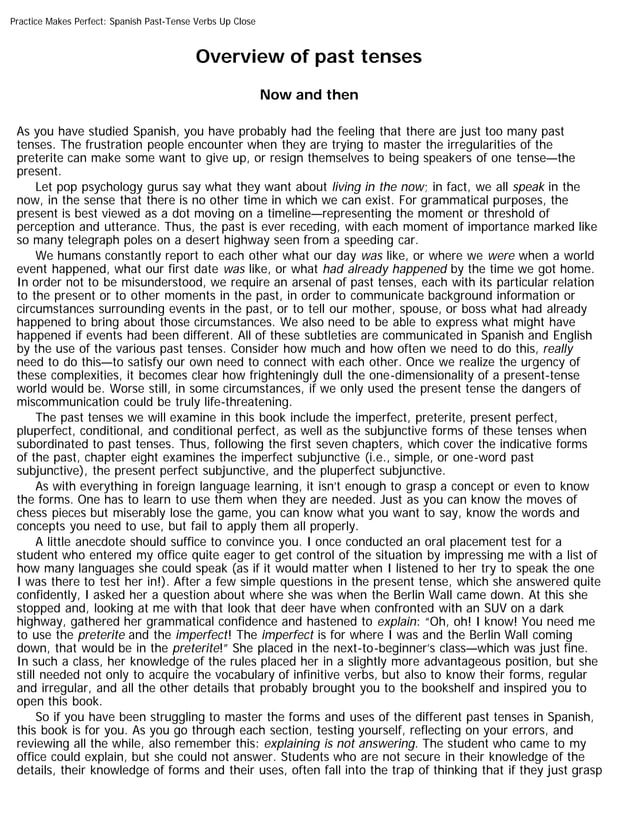
Practice makes perfect spanish past tense verbs PDF
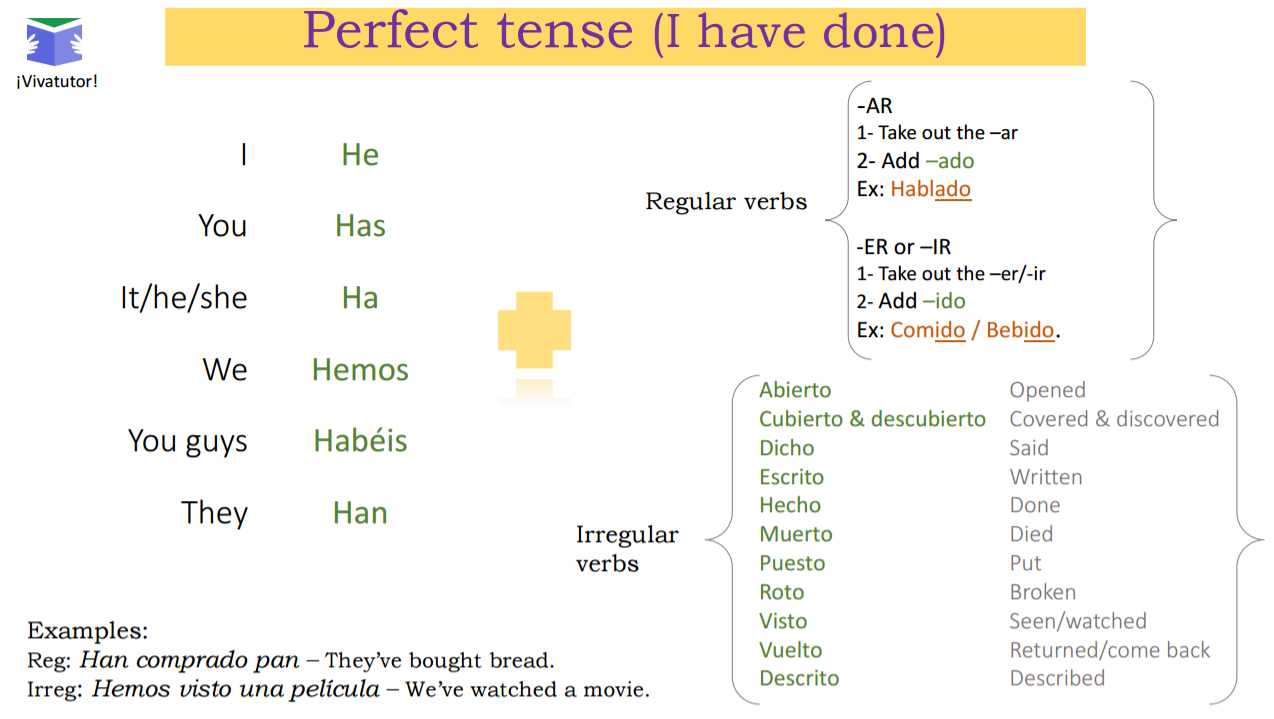
Past tenses in Spanish

Past Tense Spanish Explained For Beginners
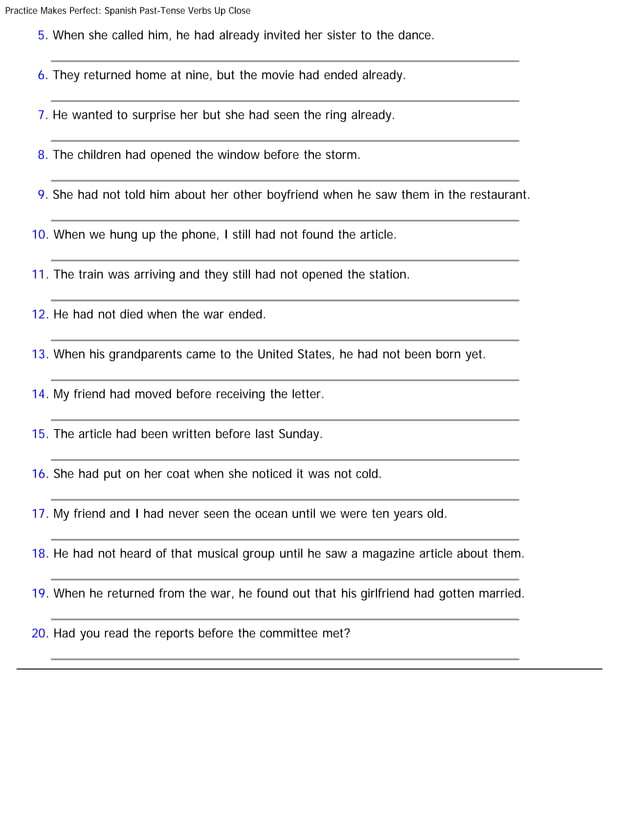
Practice makes perfect spanish past tense verbs PDF
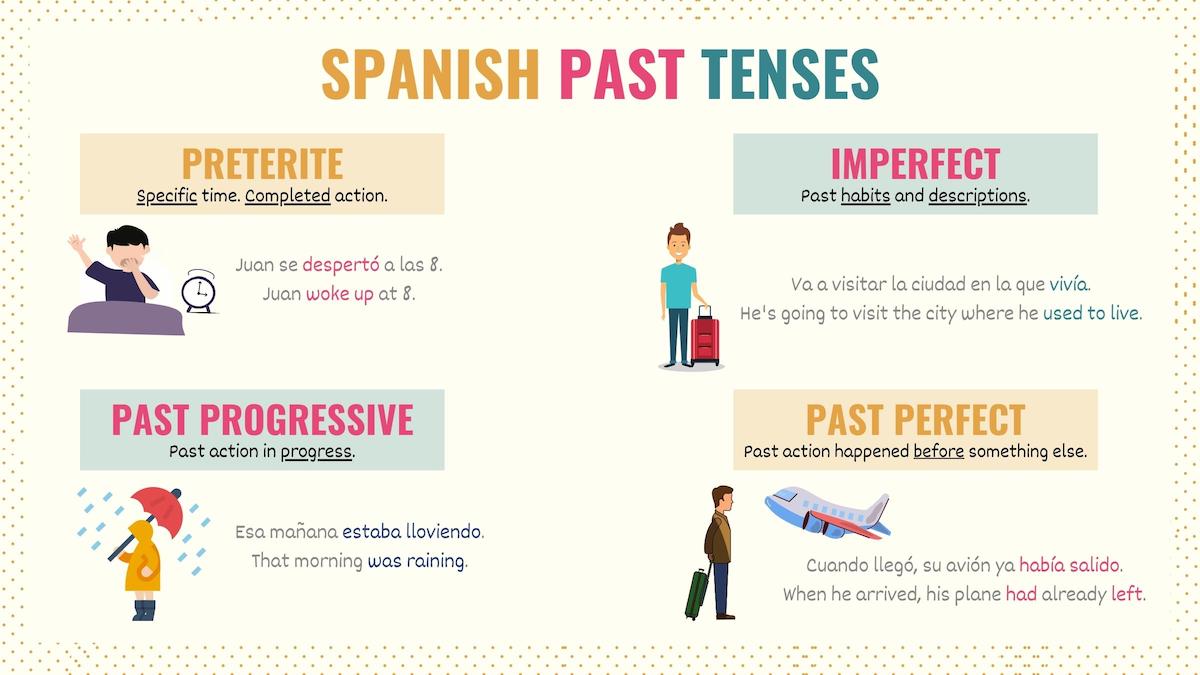
Past Tense Spanish 101 Guide to All Past Tenses in Spanish

How to teach past tense in Spanish… Spanish with Stephanie

Templates Capacities Docs

Practice makes perfect spanish past tense verbs PDF

Spanish Past Tense Preterite Cheatsheet Attanatta Flickr Sexiz Pix
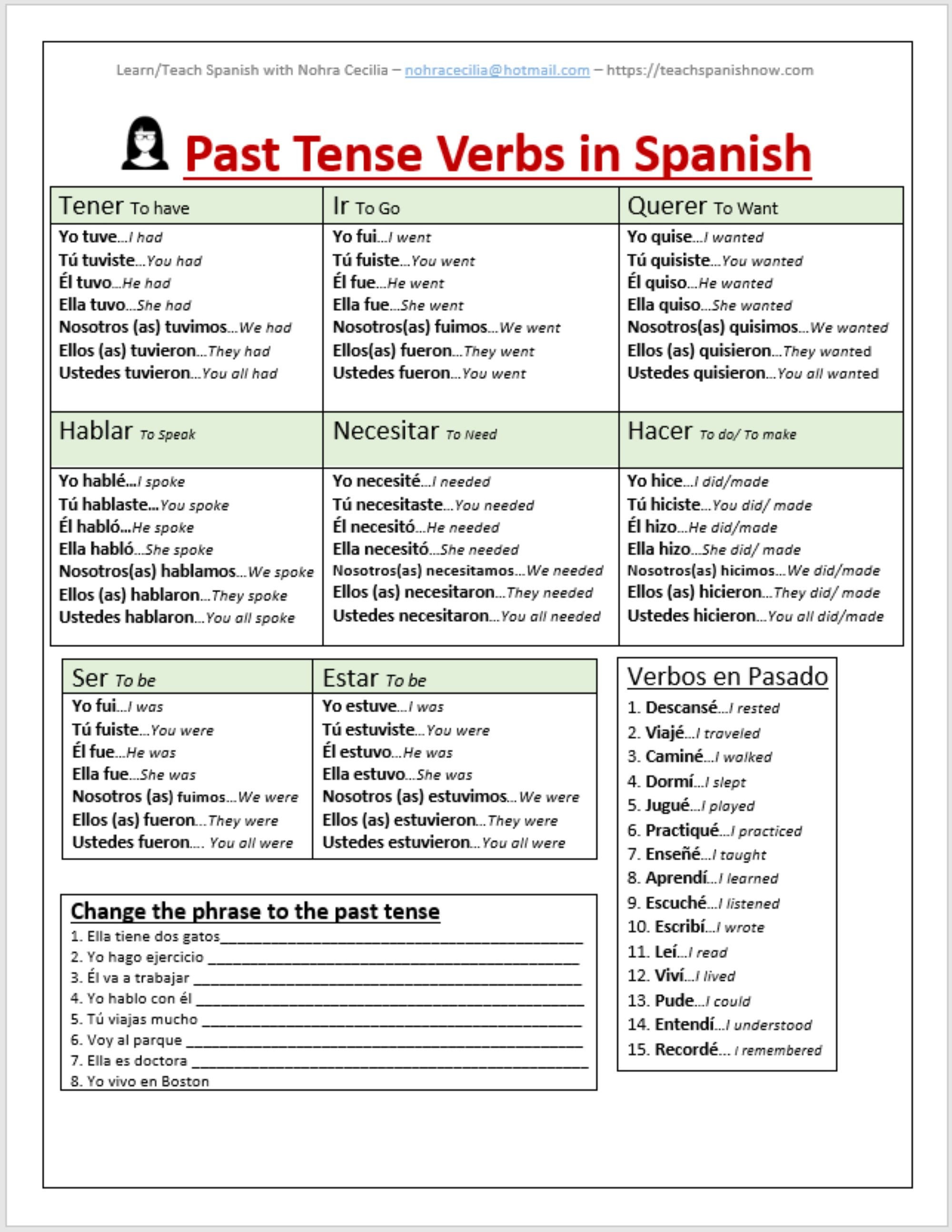
Past Tense Verbs in Spanish Etsy UK
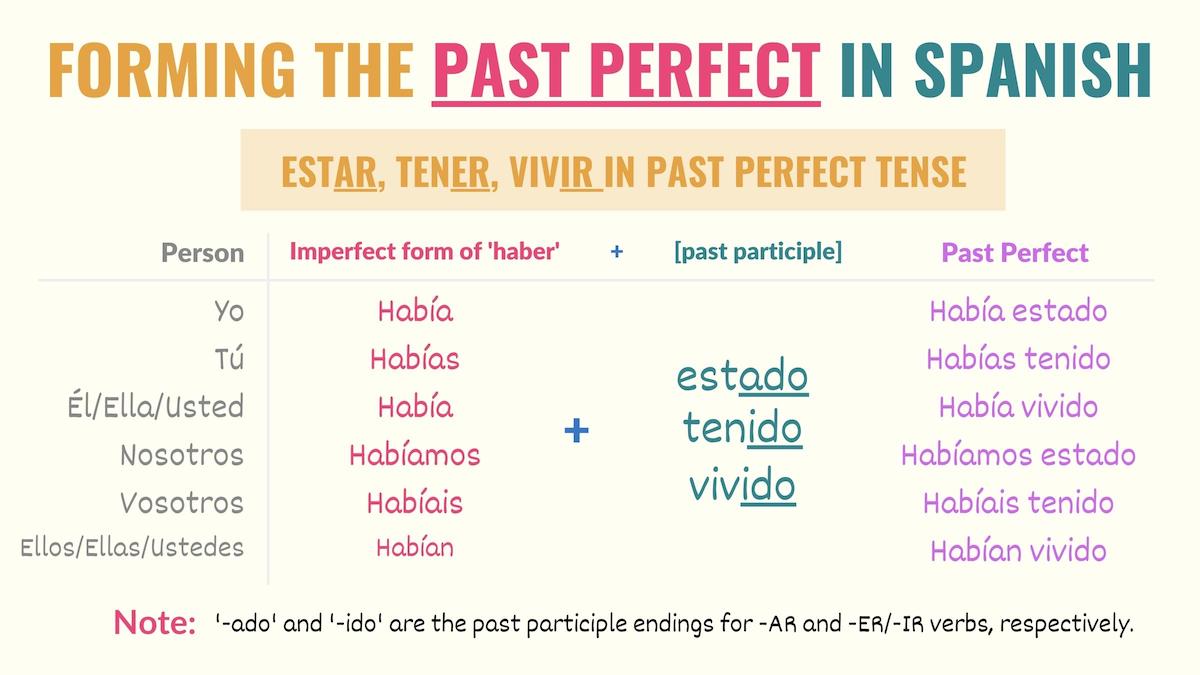
Past Perfect Spanish Tense Rules, Conjugations & Examples
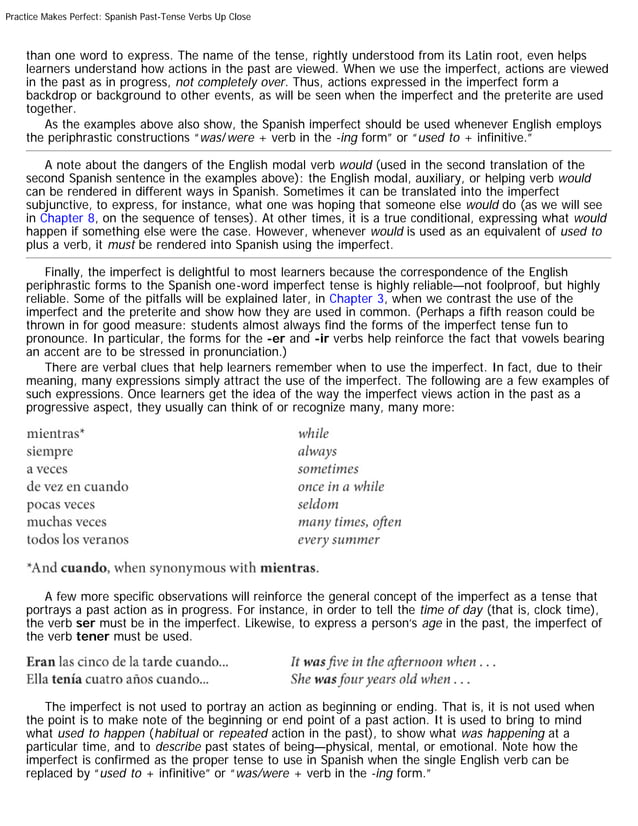
Practice makes perfect spanish past tense verbs PDF

Spanish Past Tense Verb Forms, Conjugate SPANISH

solar Cargado Mamut preterito indefinido recibir Estrictamente Descartar Nublado

Practice makes perfect spanish past tense verbs PDF
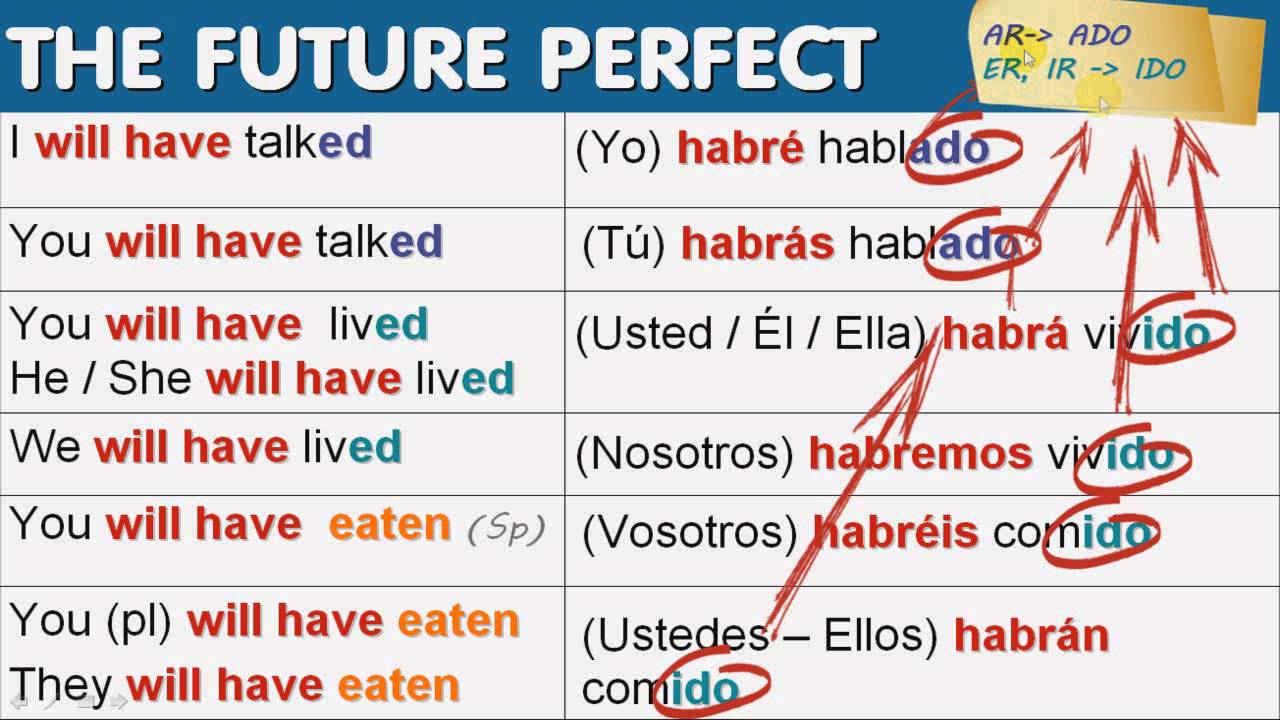
Future Tense Spanish Practice slide share
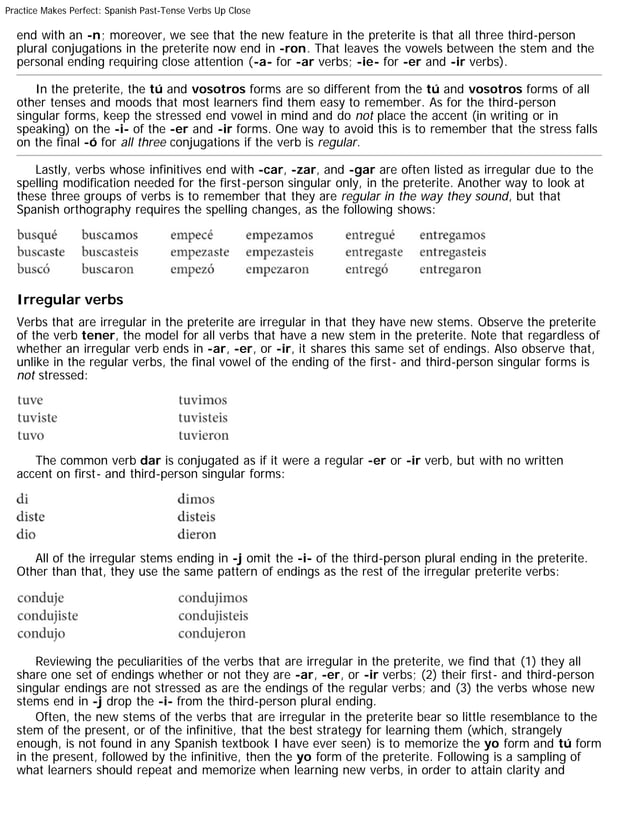
Practice makes perfect spanish past tense verbs PDF
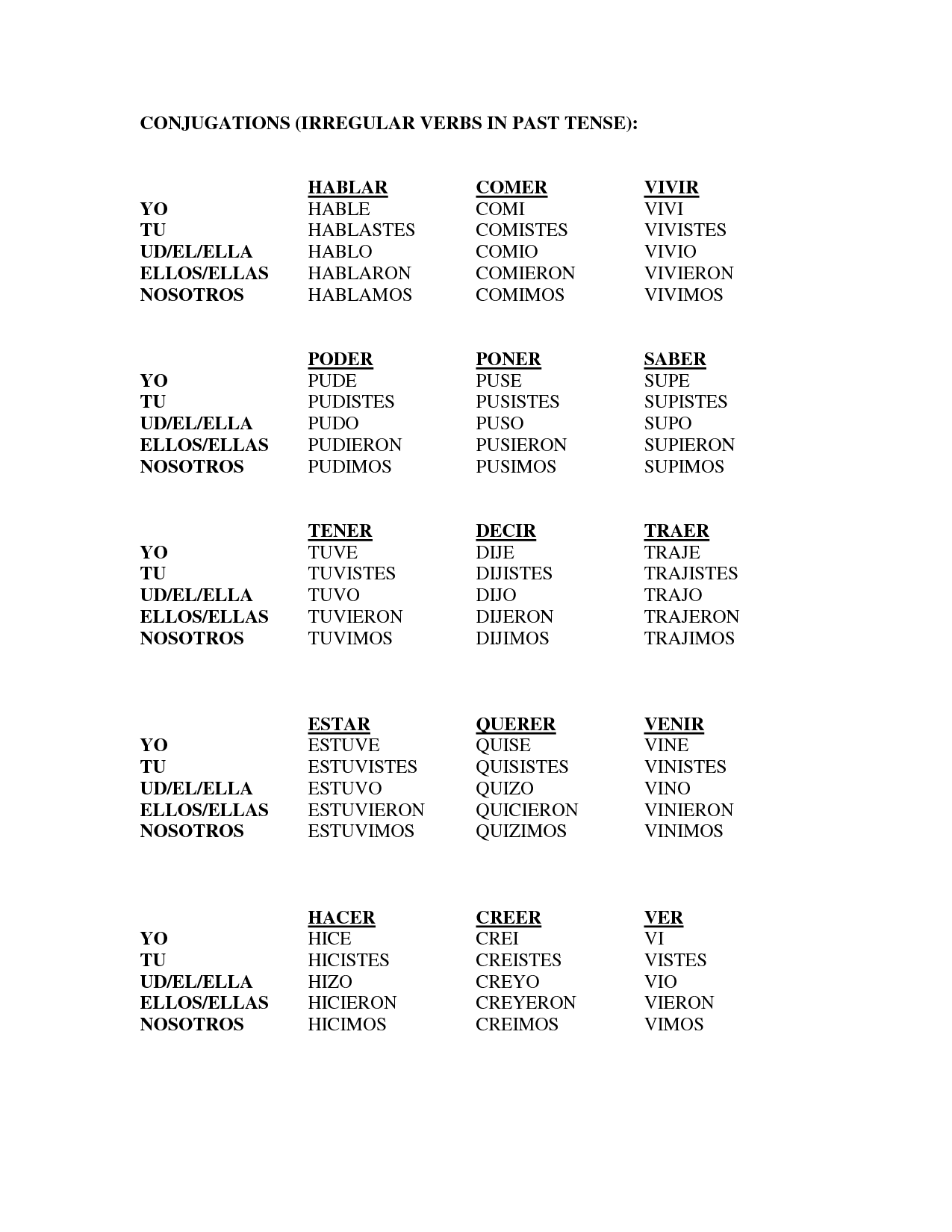
13 Spanish Present Tense Worksheets /
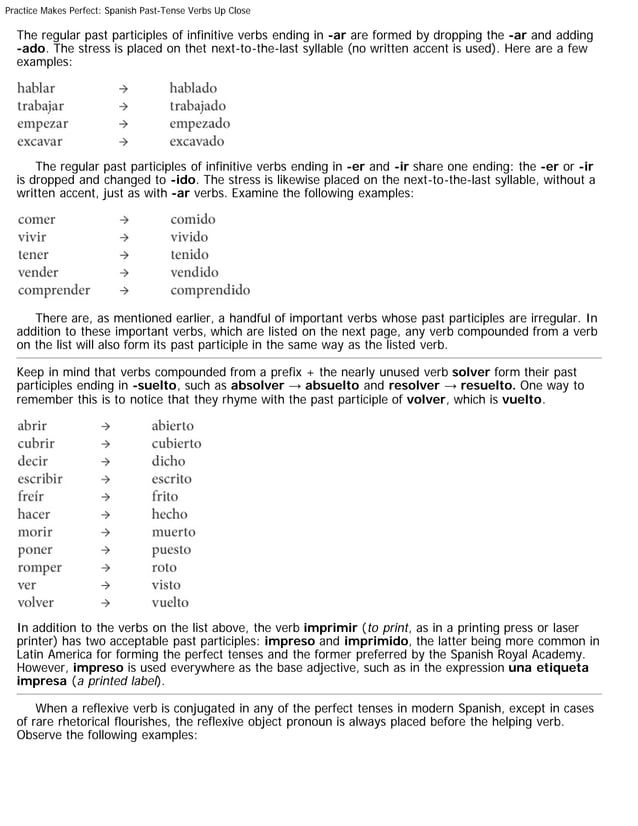
Practice makes perfect spanish past tense verbs PDF

Practice makes perfect spanish past tense verbs PDF
The most common tenses are present, past, and future, but in Spanish you have up to 15 more tenses to express yourself. These 18 Spanish tenses in total are divided into simple and compound tense. Simple tenses only have a main verb, while compound tenses include the auxiliary verb before the main verb in past participle: (I have been).. Past Perfect Progressive Tenses. Combine the gerund with the present perfect or pluperfect tense of estar (or of “to be” in English), and you end up with the past perfect progressive tenses. Their usage in the two languages is similar. “Present indicative of haber + estado + gerund” is the equivalent of “have/has + been + gerund,” and.