Urinary retention is the inability to passively void urine, and the preferred treatment method for managing this bladder condition is clean intermittent self-catheterisation (CISC) (Blok et al, 2017).CISC may be initiated for many reasons, but it is most commonly performed when there is residual urine in the bladder accompanied with voiding symptoms or complications, such as urinary tract.. Self-catheterization is an effective and safe way to take care of your bladder health. Pee needs to come out of your body. Not fully emptying your bladder has health consequences like infection and kidney damage. While it may feel intimidating at first, learning to self-catheterize can help and even improve your quality of life because you’re.

10 Steps to SelfCatheterization Shield HealthCare
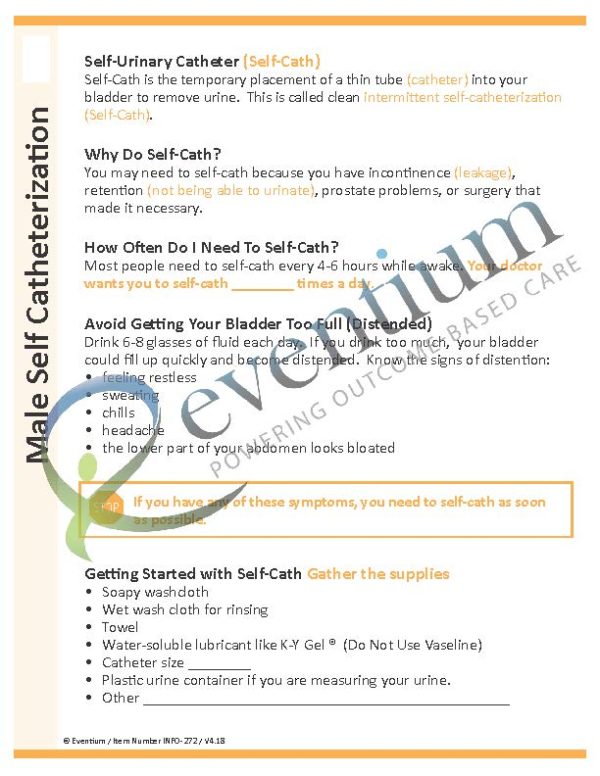
Male Self Catheterization Eventium

Use “Catheterization” In A Sentence
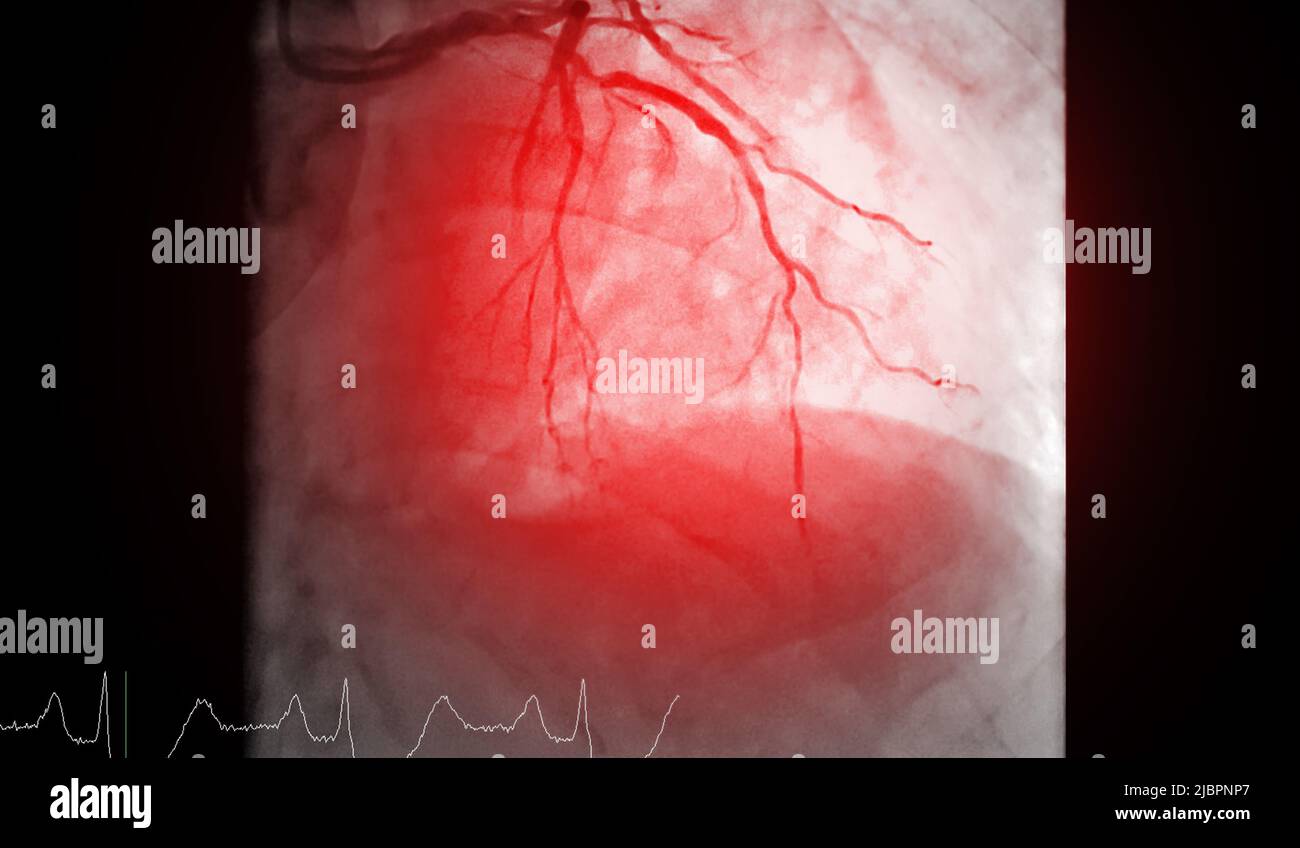
Cardiac catheterization is a test used to find out cardiac arrest Stock Photo Alamy
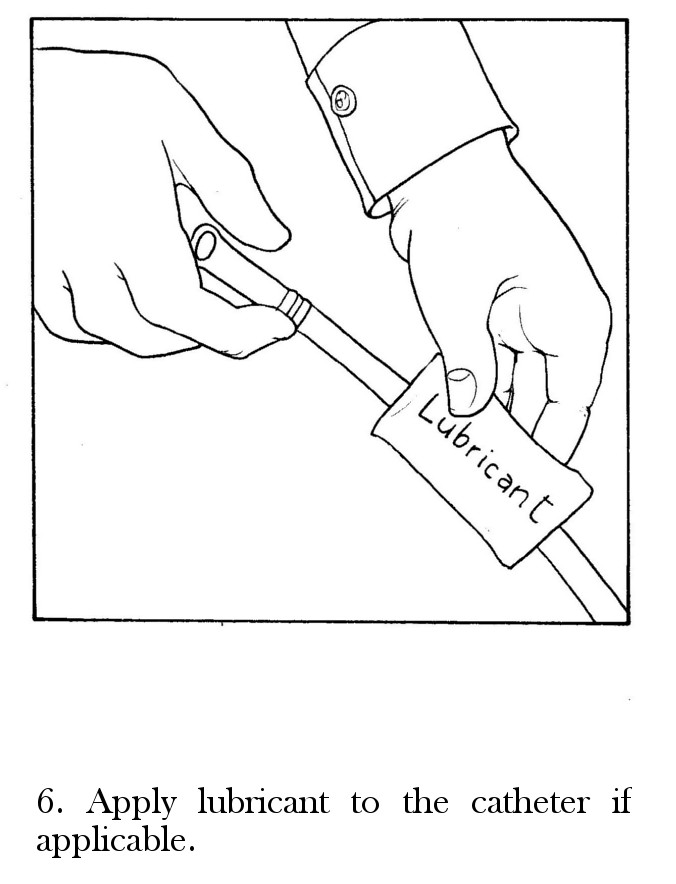
10 Steps to SelfCatheterization Shield HealthCare
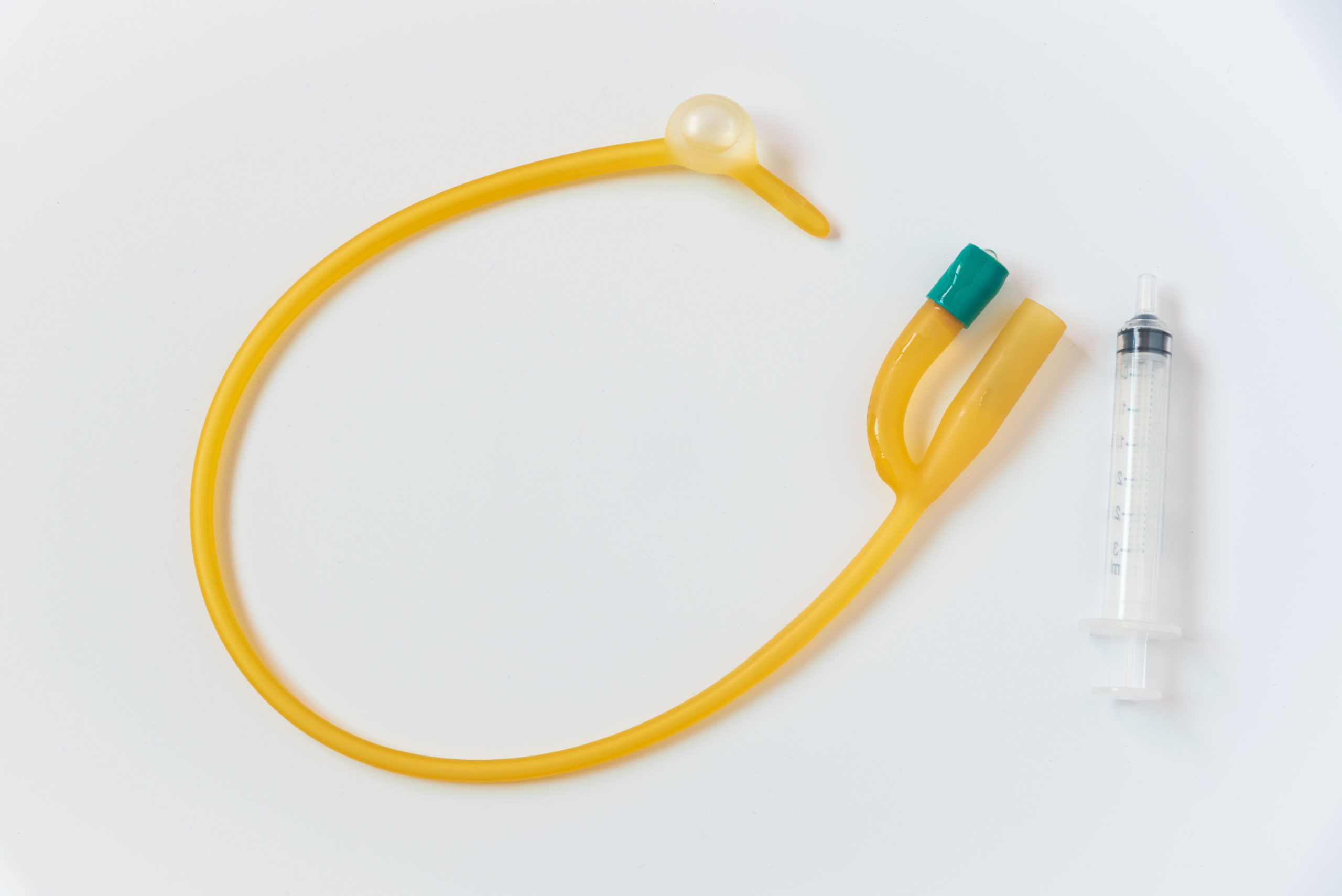
Catheter Care and Catheterization Urology Austin

Intermittent SelfCatheterization Male PreOp® Patient Education YouTube
:max_bytes(150000):strip_icc()/1745251_color-5ba16b804cedfd0025ccc2d3.png)
Cardiac Catheterization Uses, Procedure, Results

Intermittent SelfCatheterization Guide Dr. Aditya K. Sharma

10 Steps to SelfCatheterization Shield HealthCare

Self Catheterization Despite My Disability I Fulfilled All My Wishes BBC URDU 1080p YouTube
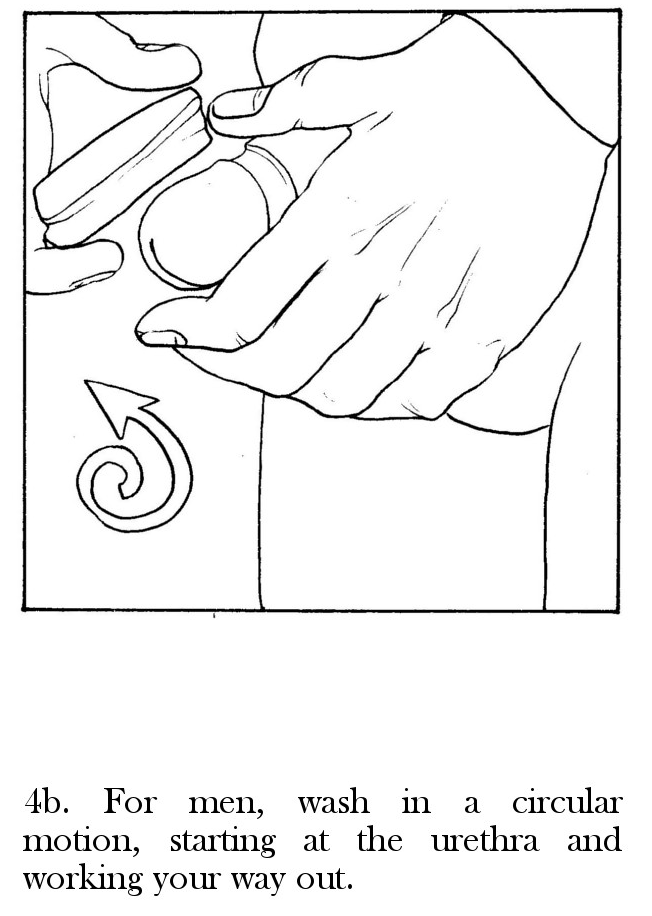
10 Steps to SelfCatheterization Shield HealthCare
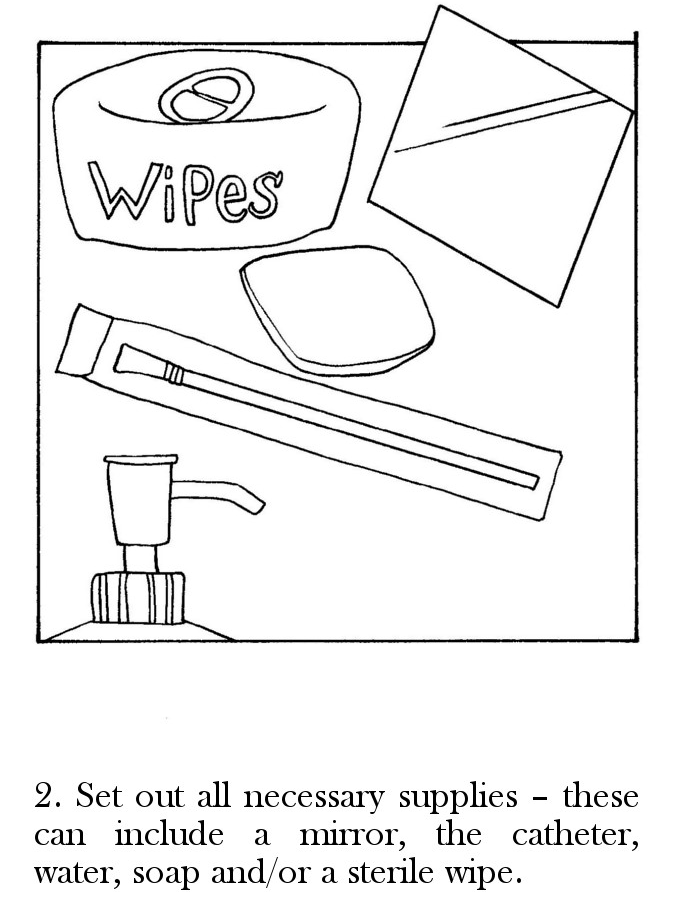
10 Steps to SelfCatheterization Shield HealthCare

Baseline demographic and clinical characteristics Note. EDSS Expanded… Download Table
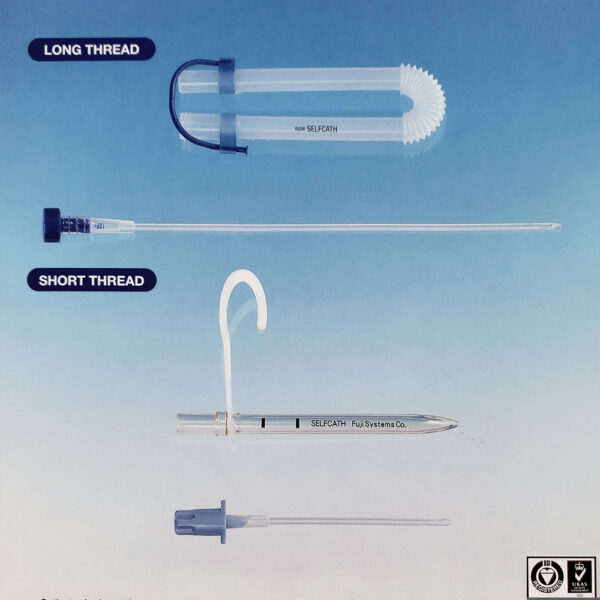
Takarada Global Home

SelfCatheterization Krames Patient Education

Guide to Clean SelfIntermittent Catheterization Binson’s Medical Equipment
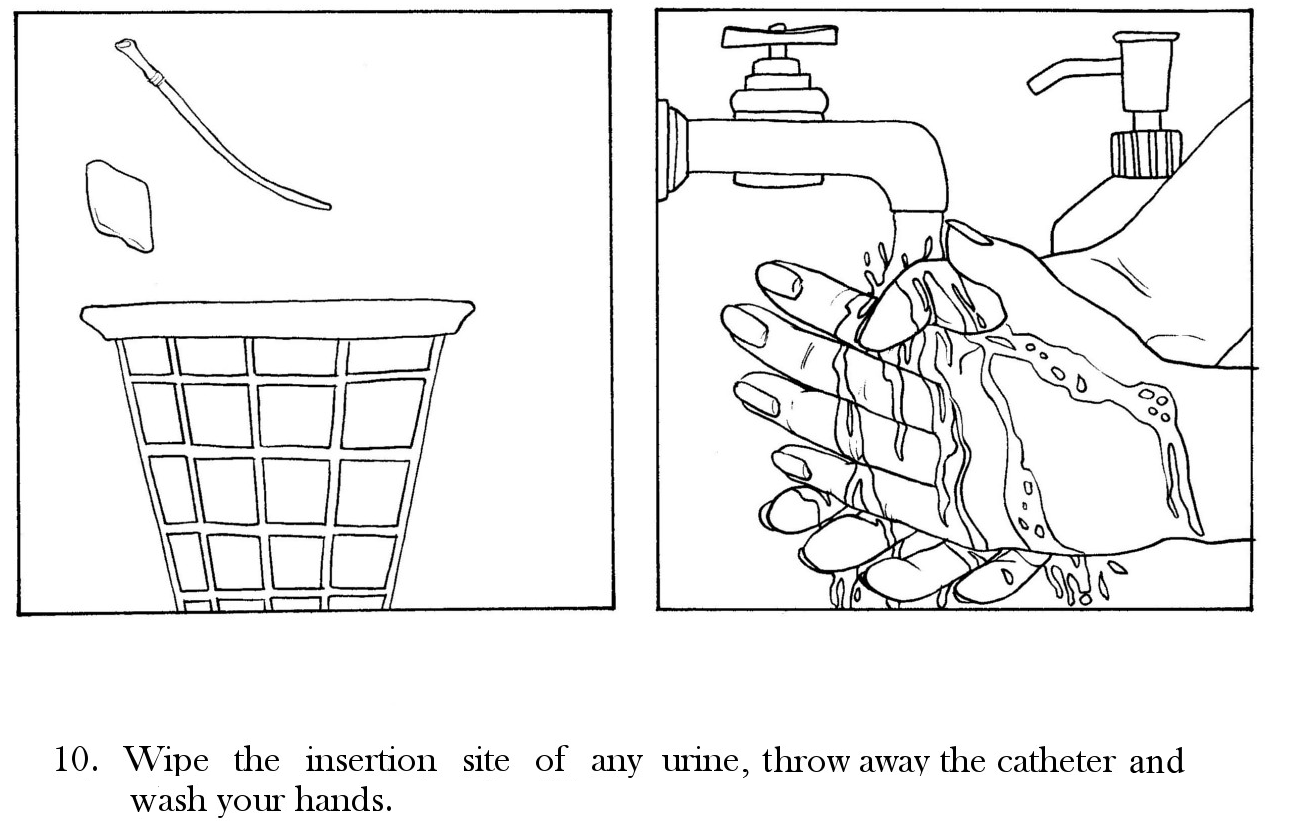
10 Steps to SelfCatheterization Shield HealthCare
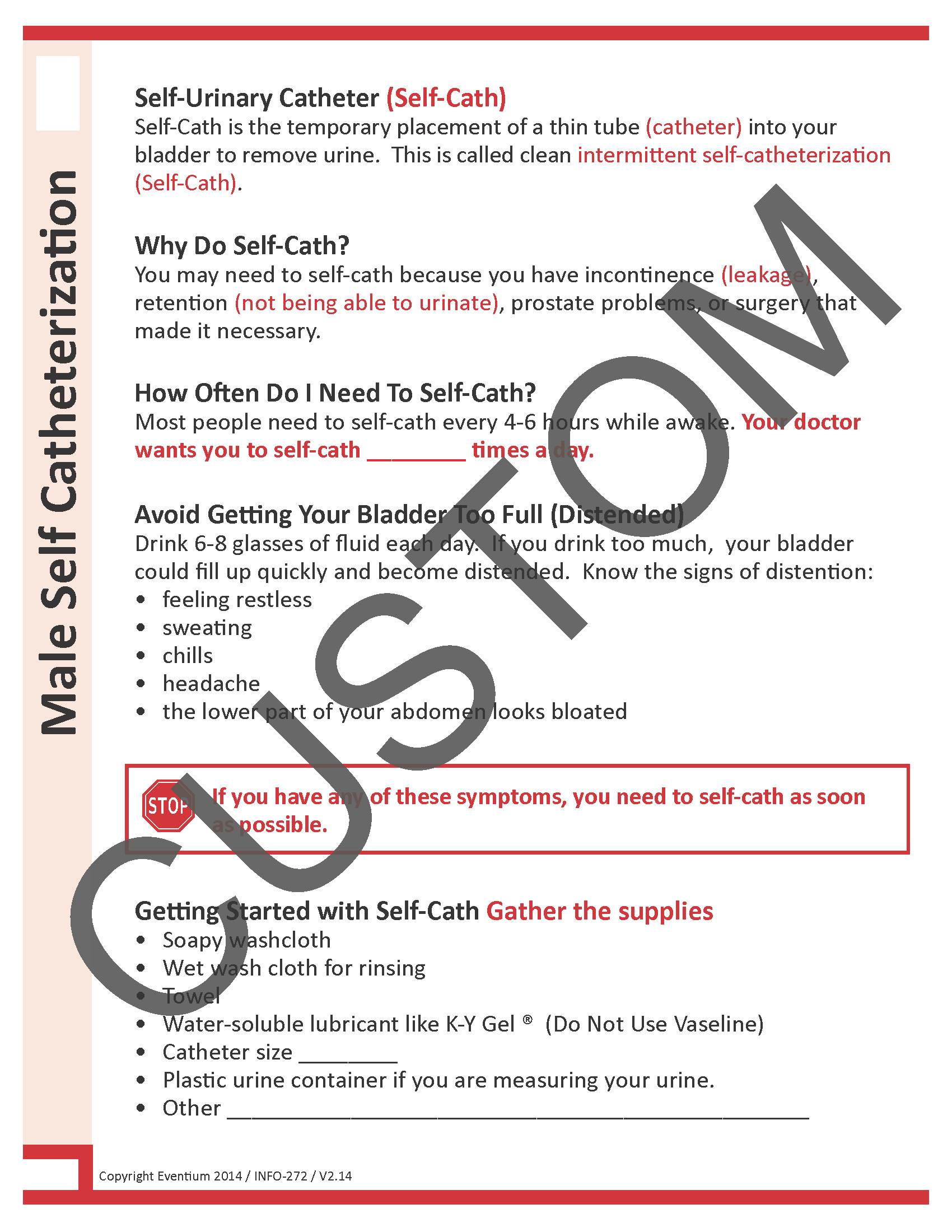
Male Self Catheterization Custom Eventium
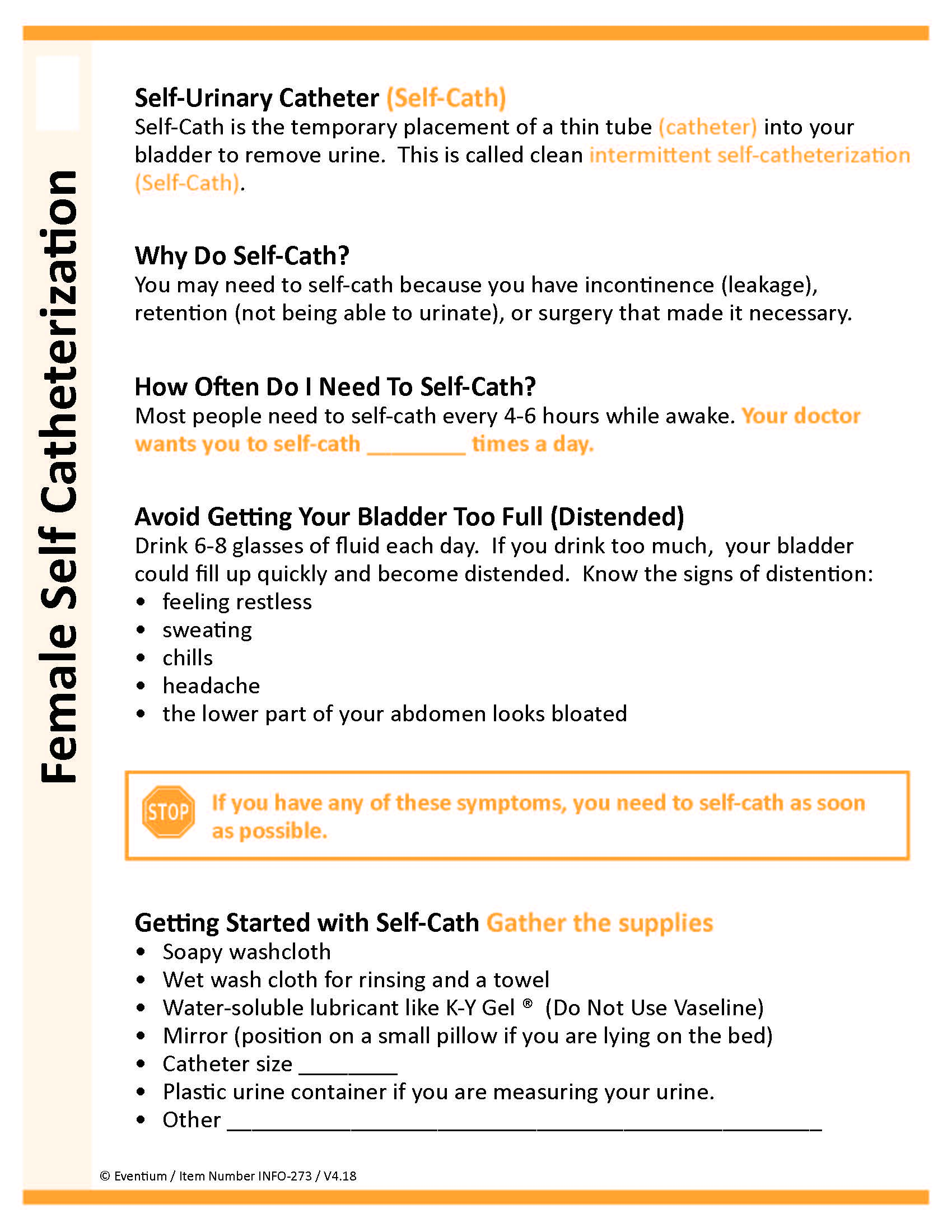
Female Self Catheterization Eventium
Intermittent self catheterization is a safe and simple technique. By catheterizing themselves between four and six times daily patients can gain control over their bladders.. Severe disability is not a contraindication since patients in wheelchairs have mastered the technique despite paraplegia, an anaesthetic perineum, spinal deformity.. Pain in the flank, which is just below the rib cage and above the waist on either side of the back. Blood or pus in your urine. A fever. Your urine smells bad. You can’t pass any urine. Watch closely for changes in your health, and be sure to contact your doctor if you have any problems. Learn more about Self-Catheterization (Female) including.