pata Filipino / Tagalog language translation for the meaning of the word pata in the Tagalog Dictionary. Definition for the Tagalog word pata: p a ta. Related English Words: leg leg of an animal leg of animal shank. Grammatical Ligature: This word plus a grammatical ligature would be: patang.. Here’s a break-down of common pork cuts—and how to say them in both Filipino and English! Maskara (Head or Mask) The maskara or pig’s head is one of the most versatile parts of the pig. The cheeks are meaty; so in some countries, people cure and smoke them to make jowls or bacon. On the other hand, the snout and ears have some cartilage.
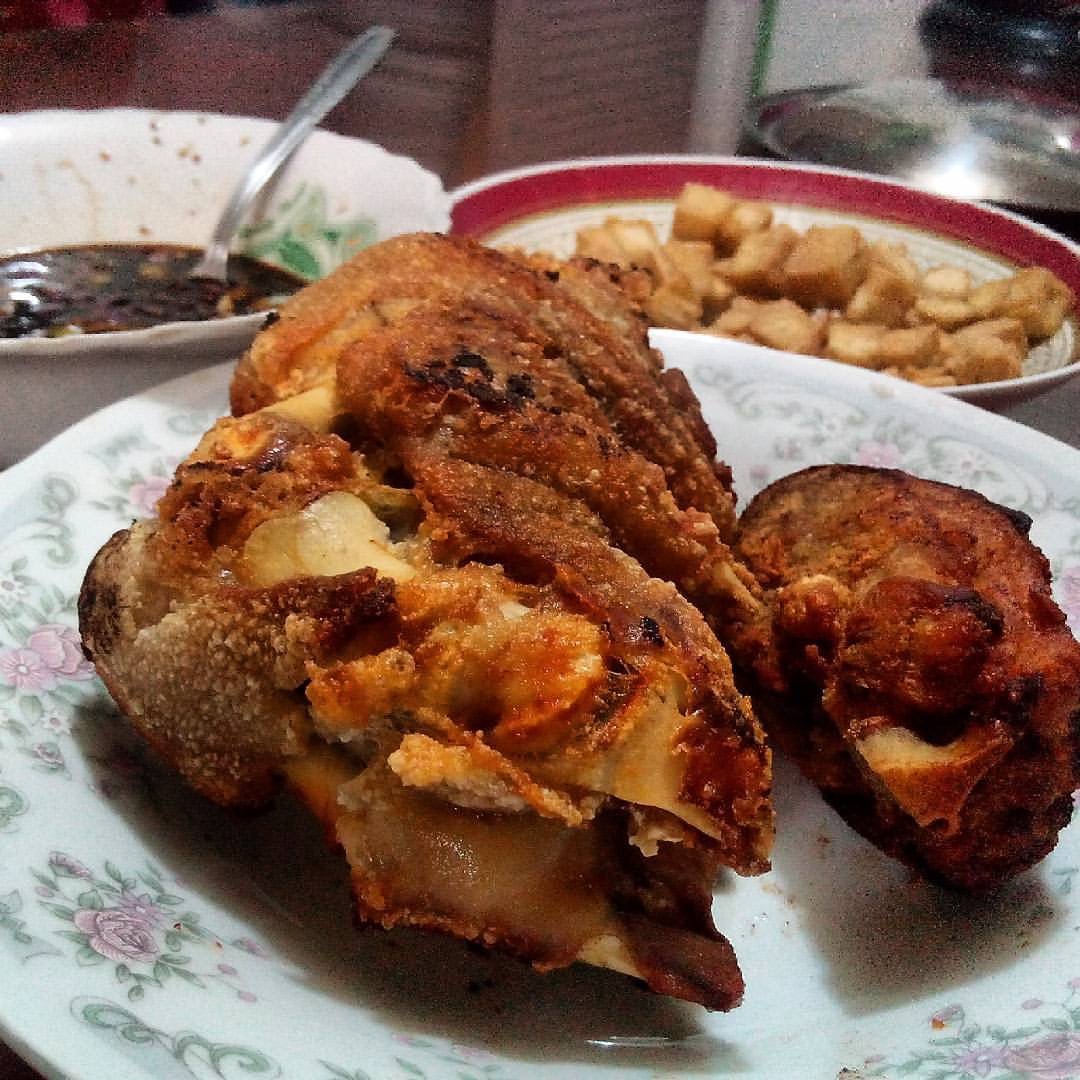
Filipino Food What is Crispy Pata?
Pata Ng Baboy In English Coal Export Action

How to Cook Paksiw na Pata Recipe English YouTube

Crispy pata Filipino Cuisine YouTube

EnglishTagalog Speaking Practice 15 TALK TO ME IN TAGALOG 🇵🇭 YouTube

Delicious Filipino Crispy Pata Recipe YouTube
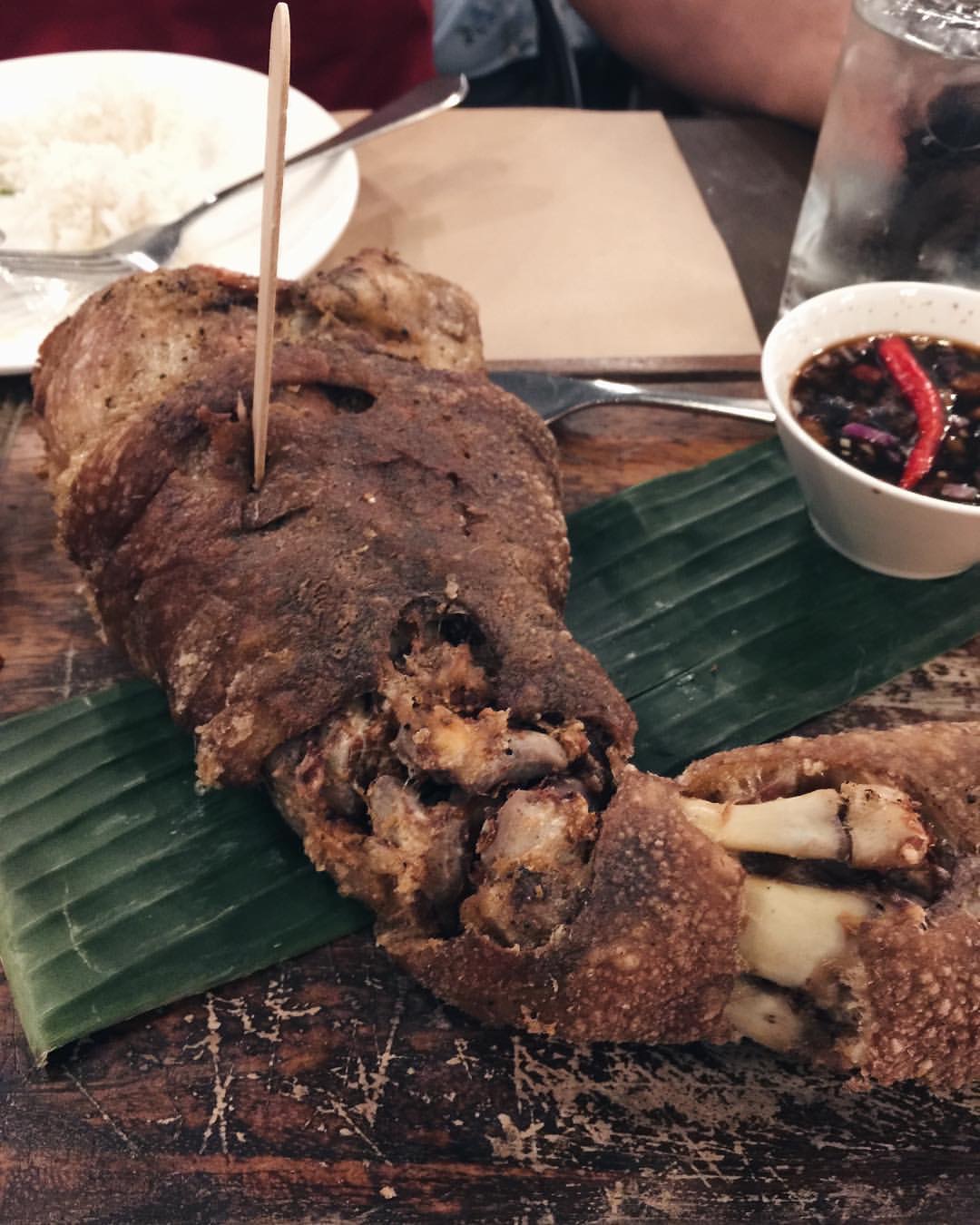
PATA TagalogEnglish Dictionary Online

𝗛𝗔𝗕𝗔𝗡𝗚 How to Use “While” in Tagalog English Tagalog Translation English Conversation

PATA KA ENGLISH MEANING PATA KA MATLAB PATA KA ENGLISH PATA KA MEANING YouTube

PAKSIW NA PATA Pata recipe, Recipes, Pork recipes

Pork parts Tagalog Filipino, Pork, Stuffed peppers

How to Cook Pata Hamonado Filipino Food Recipe Foodie Pinoy YouTube

Crispy Pata

Crispy Pata Crispy pata, Pata recipe, Pork roast in oven

Pata Tim Pinoy Pork Pork Hocks Filipino Pork Pata Tim Recipe Tagalog Pork Knuckle

How to cook Crispy Pata Filipino Style YouTube

Gawing Crispy ang Pata nyo/instant soup/tagalog tutorial YouTube

Filipino Encouraging Phrases (EnglishTagalog Translation) YouTube
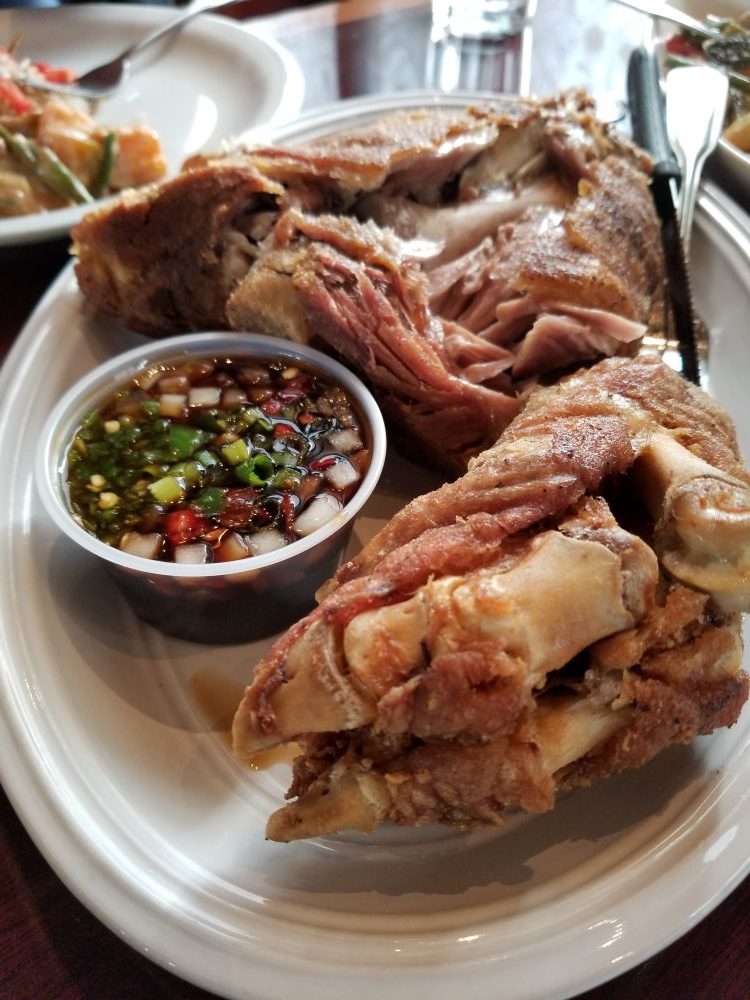
How to Cook the Perfect, Crispy Pata A Filipino Delight • Edel Alon

Recipe Nilagang Baboy Tagalog Dandk Organizer
» synonyms and related words: exhausted. adj. 1. worn out, very tired: pagod na pagod, patang-pata, malatang-malata, hapung-hapo ; 2. used up: ubos na ubos, said na said. Pata Tim Recipe. Brimming in a pork stew infused with aromatic peppercorn, sesame oil and soy sauce, Pata Tim is a classic Filipino dish with traces in Chinese cuisine. Its name actually originates from “Pata Itim”, which, when translated from Filipino to English, means “black pork hock”. The dish is said to be an evolved adaptation of.